Whale Shark Watching Bohol: Your Eco-Friendly Guide
Published: September 18, 2025
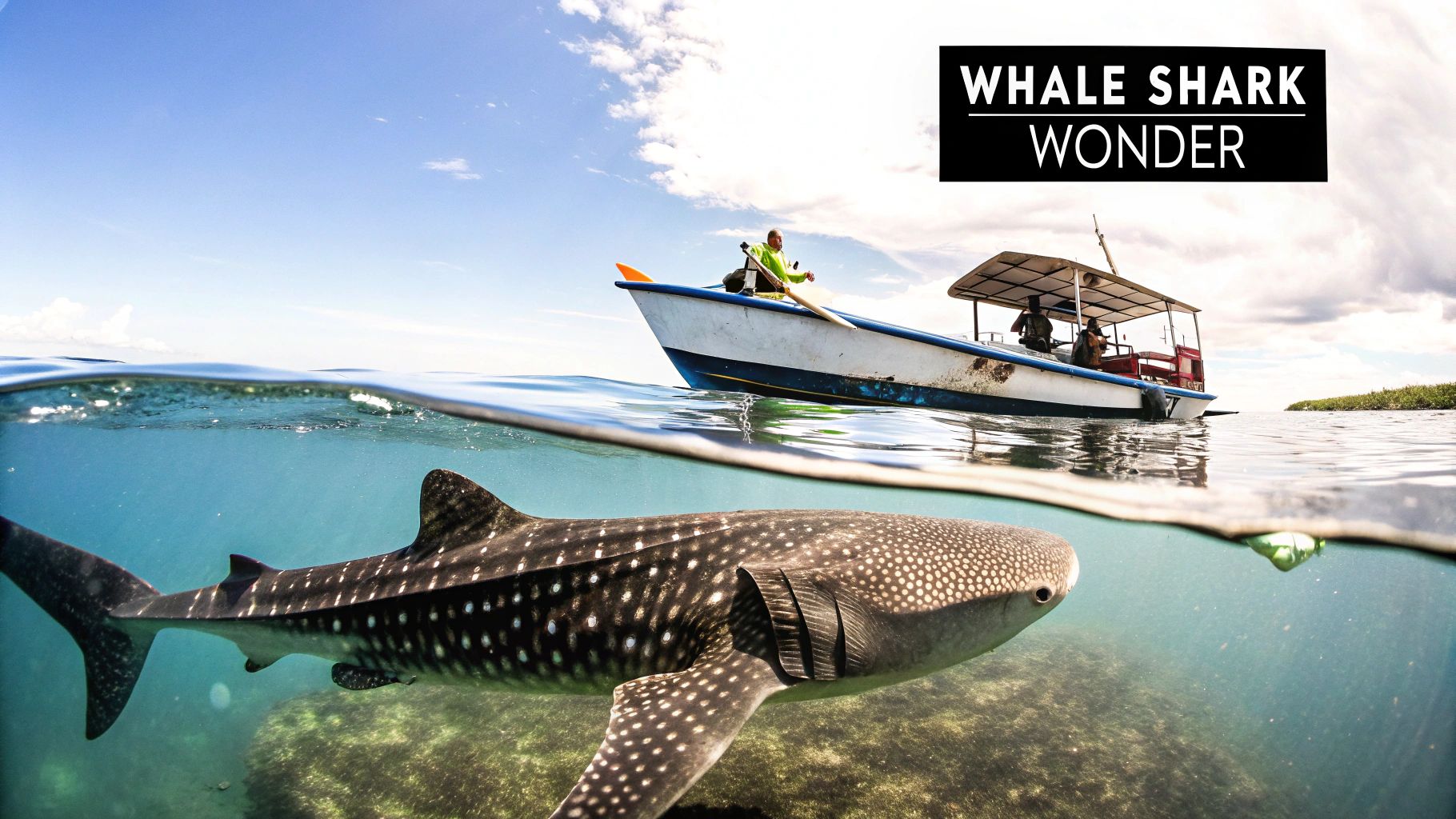
Picture this: you're floating in the warm, turquoise waters of Bohol, and a magnificent, gentle giant glides silently past. This is the unforgettable moment of meeting a ‘butanding’, as the locals call the whale shark. This guide is your key to making that incredible marine encounter happen—responsibly and magically.
Experiencing whale shark watching in Bohol is more than just an adventure; it's a profound connection with one of the ocean's most majestic creatures.
Your Gateway to Bohol's Underwater Paradise
The stunningly beautiful island of Panglao is your launchpad. It’s not just another tropical getaway; it’s a world-class hub for marine adventures. With its crystal-clear waters and thriving ecosystems, Panglao is the perfect base for exploring the Bohol Sea, where the real magic happens, far from the usual tourist crowds.
The journey to see these gentle giants is about so much more than just a sighting. It's about respecting their home and ensuring these encounters are sustainable for years to come. The secret lies in finding ethical tour operators who put the ocean’s health first, not just the thrill of the moment.
Choosing the Right Partner for Your Adventure
When you’re heading out into the open water, picking the right dive company is everything. You want an operator like Valm Divers, known for creating a safe, fun, and welcoming vibe. Their deep-seated respect for the marine world means every dive you take with them actually contributes positively to the local ecosystem. Their focus on safety allows you to relax and soak in the fun, knowing you're in expert hands.
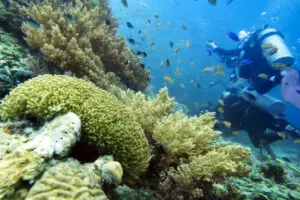
Panglao is also an incredible place to level up your underwater skills. It's a fantastic spot to train as a scuba diving professional, with dive centres offering courses for everyone from absolute beginners to those aspiring to become instructors. This focus on education helps build a real community of responsible divers who actively protect the marine world they love. Just take a look at some of the stunning diving scenes in Panglao to get a taste of what's waiting for you.
The ultimate goal is to witness wildlife on its own terms. This mindset transforms a simple holiday into a meaningful journey, where you become a guardian of the very beauty you've travelled so far to see.
This guide will walk you through how to have a journey that truly respects these incredible animals. We’ll explore how to experience their world without disturbing it, helping you make informed choices that protect Bohol’s underwater wonders for the long haul.
The Real Story of Whale Shark Tours in Bohol
To really get the most out of seeing whale sharks in Bohol, you need to know the full story. It's not just about showing up and jumping in the water. The island has a pretty complex history with these gentle giants, and understanding it helps you make choices that actually protect them.
For a while, places like Lila and Panglao got famous for whale shark tours. The catch? These tours were based on feeding the sharks with krill to guarantee sightings. It worked, but it came at a serious cost to the animals and the local marine environment.
Why the Feeding Had to Stop
The problem with feeding is simple: it messes with nature. Whale sharks are supposed to be constantly on the move, migrating huge distances to feed and breed. When you start offering them a free, easy meal in one spot, they stop doing what they're meant to do.
This isn't just about changing their travel plans. It can throw off their health and even their ability to reproduce. Worse, it teaches them that boats and people equal food, which puts them at a much higher risk of getting hurt by propellers. Seeing the writing on the wall, the provincial government had to step in.
Suspending the feeding-based tours wasn't a loss for tourism; it was a huge win for marine conservation. It shows Bohol is serious about protecting its natural treasures and keeping its whale sharks around for the long haul.
This wasn't an overnight decision. The industry had faced regulatory issues for years. Around 2018, tours in Lila, Anda, and Panglao were officially stopped. Investigations found that the illegal feeding practices violated national environmental laws, and many operators lacked the right permits. The suspension is set to stay in place until a truly sustainable eco-tourism model is locked in. You can dig deeper into the history of Bohol's whale shark regulations to get the full picture.
A New Chapter: Sustainable Encounters
This whole situation has forced a much-needed change in thinking. The focus is no longer on creating an artificial, zoo-like experience. Instead, it's all about finding whale sharks in their natural environment, on their own terms.
Honestly, it makes for a far more incredible and authentic experience anyway. Seeing one of these magnificent creatures wild and free is something you'll never forget. This is the future of whale shark watching in Bohol—one built on respect, not convenience.
How to Experience Bohol's Marine Wonders Responsibly
So, with the artificial feeding sites now a thing of the past (and rightly so), you might be wondering: what’s the best way to see Bohol's incredible marine life ethically? The answer is actually much simpler, and frankly, far more magical. It’s all about meeting these gentle giants in their own world, on their own terms, through activities like scuba diving and snorkeling.
This isn't about a guaranteed, manufactured show. It's about genuine discovery. The most breathtaking encounters are the ones you don't see coming—the spontaneous moments when a whale shark naturally passes by during its migration through the Bohol Sea. It takes a bit of patience and a sprinkle of luck, but trust me, seeing a butanding glide past you in the wild is a feeling no tourist trap can ever hope to match.
Choosing Your Ethical Adventure Guide
This is where your choice of tour operator becomes so important. You need to go with a team that genuinely respects marine life and knows the local ecosystem inside and out. This is why a company like Valm Divers is such a great example of doing things right. They've built their entire philosophy around being safety-conscious and fun-loving, all while putting the ocean's health first.
Based right in beautiful Panglao, Valm Divers has a reputation for creating unforgettable, safe, and fun adventures because their respect for marine conservation is at the core of everything they do. Whether you're a veteran diver or trying it for the first time, they create an atmosphere that's both safe and exciting. Their local expertise means any whale shark watching in Bohol is done with the utmost care for the animals.
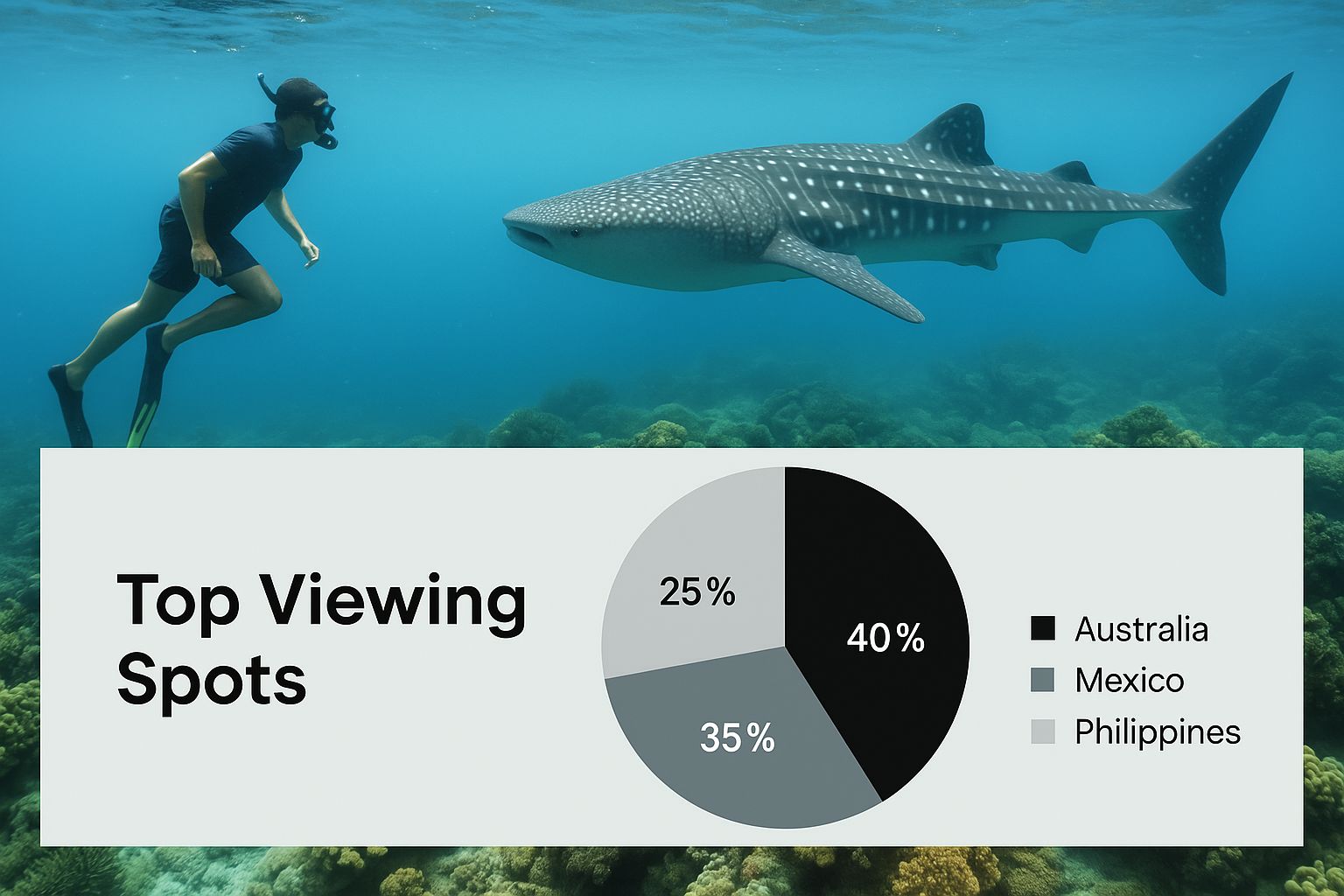
This visual pinpoints some of the best spots where natural encounters are more likely, based on known migration routes and the richness of marine life in the area.
As you can see, the prime locations are typically areas with high biodiversity and healthy currents—exactly where these massive filter feeders love to hang out.
From Beginner To Pro on Beautiful Panglao
Panglao isn't just a hotspot for seeing wildlife; it's also one of the best places in the Philippines to become a certified scuba diver. The island's crystal-clear waters and thriving dive community make it the perfect natural classroom for anyone looking to get certified or even train as a scuba diving professional.
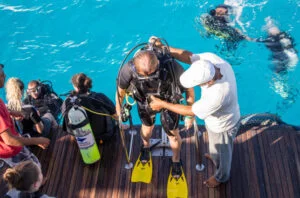
Valm Divers really stands out as a top-notch training centre, offering everything from introductory courses for complete beginners to professional-level certifications. Their seasoned instructors are fantastic guides, making it an ideal place to start your scuba journey or take it to the next level. If you're wondering what that looks like, you can see a typical diving lesson setup to get a feel for the training environment.
To help you make an informed decision, it's crucial to understand the difference between tour operators who help and those who harm.
Ethical vs. Unethical Whale Shark Encounters
Practice
Ethical Approach (Recommended)
Unethical Approach (To Avoid)
Feeding
No feeding or baiting. Encounters are natural and depend on luck and timing.
Luring sharks with food, which disrupts natural feeding and migration patterns.
Interaction
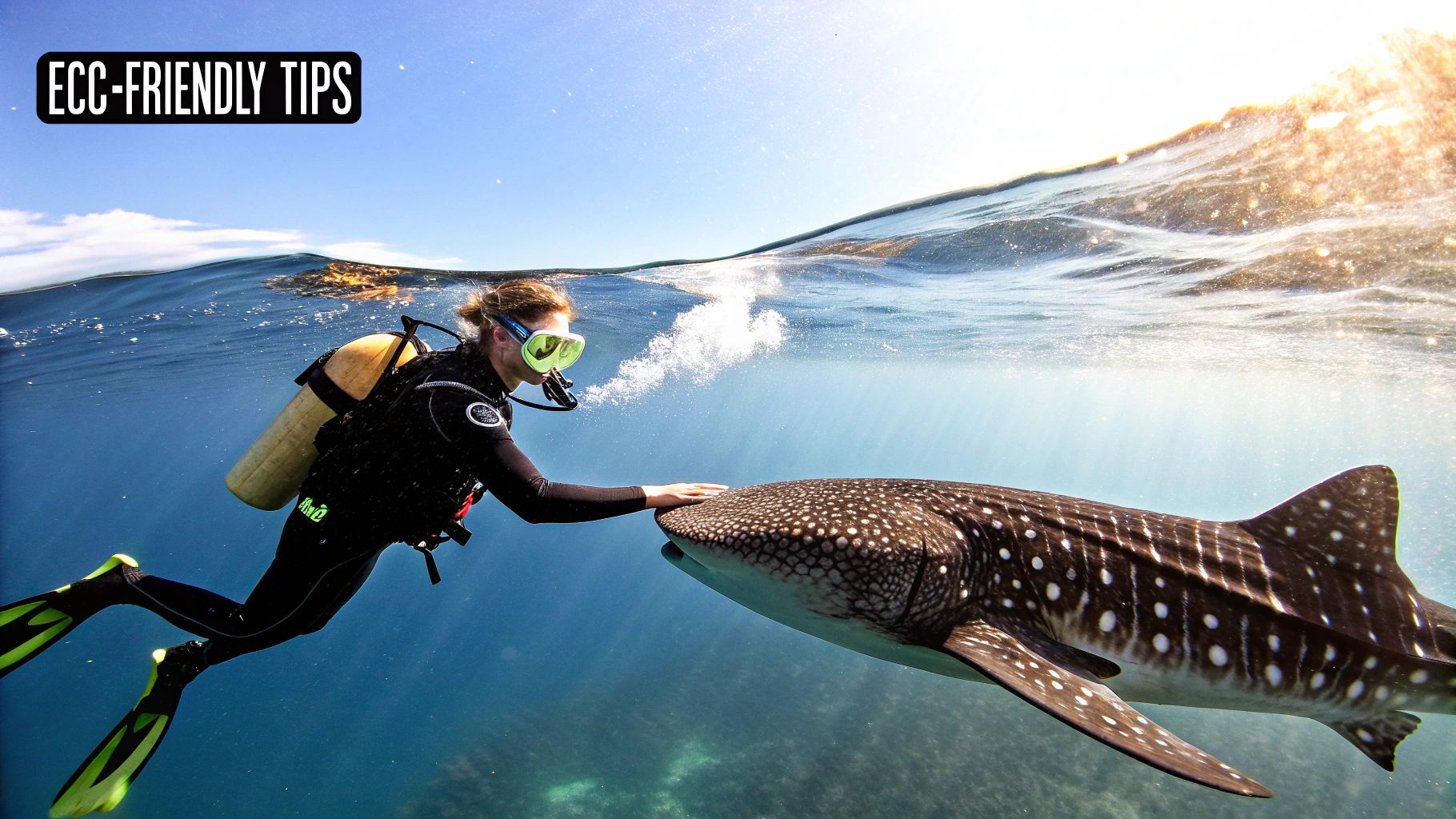
Strict no-touching policy. Maintain a safe distance (4-5 metres) at all times.
Allowing tourists to touch, ride, or crowd the whale sharks, causing stress and injury.
Boat Conduct
Boat engines are cut or put in neutral. Approach is slow, parallel, and never from the front.
Chasing the animals, blocking their path, or making loud noises that can disorient them.
Group Size
Small, managed groups in the water to minimise disturbance.
Overcrowding the site with too many boats and swimmers at once.
Education
Guides provide a thorough briefing on respectful behaviour and marine conservation.
No pre-encounter briefing, treating the sharks as a pure tourist commodity.
By choosing practices in the "Ethical Approach" column, you directly contribute to the protection of these magnificent creatures.
Ultimately, responsible tourism comes down to the choices we make. When you support ethical operators, you're not just buying a tour; you're casting a vote for a sustainable future where Bohol's marine wonders can be appreciated, not exploited.
Why Valm Divers Is Your Partner for Adventure
Choosing the right guide for your whale shark watching Bohol adventure can make or break the experience. It’s not just about booking a boat; it's about finding a team that genuinely cares about your safety, your enjoyment, and the well-being of the ocean itself. This is exactly where Valm Divers makes its mark.
Based right on the stunning shores of beautiful Panglao, Valm Divers has earned a solid reputation for creating a welcoming and safe space for every single guest. Their team is made up of seasoned, friendly divemasters who know these waters like the back of their hand, making sure every trip is both thrilling and secure. They’re all about creating a fun, relaxed vibe, so whether you're a veteran diver or just getting your fins wet for the first time, you'll feel right at home.
More Than Just a Dive Shop
Sure, Valm Divers runs fantastic fun dives, but their passion for the ocean goes much deeper than that. They're also a top-notch training centre, turning Panglao into one of the best places to become a scuba pro. You can get certified with them for anything from your first Open Water course all the way up to the coveted Divemaster rating, making it an excellent place to train as a scuba diving professional.
This mix of recreational diving and professional training fosters a really special, supportive atmosphere. New divers get patient, expert instruction from people who are genuinely excited to share their love for the underwater world. You can feel the team's dedication in everything they do, which makes learning here a truly positive experience.
With a stellar safety record and a passion for marine conservation, Valm Divers doesn’t just show you the underwater world—they help you become a true guardian of it.
Your Gateway to Panglao's Wonders
At the end of the day, diving with Valm Divers is about more than just a tour; it’s your key to unlocking the incredible underwater world of Panglao and the wider Bohol Sea. They provide a carefully crafted experience built on a deep respect for the delicate marine ecosystem. Their local knowledge is second to none, ensuring every dive is conducted responsibly and contributes to the conservation of this amazing environment.
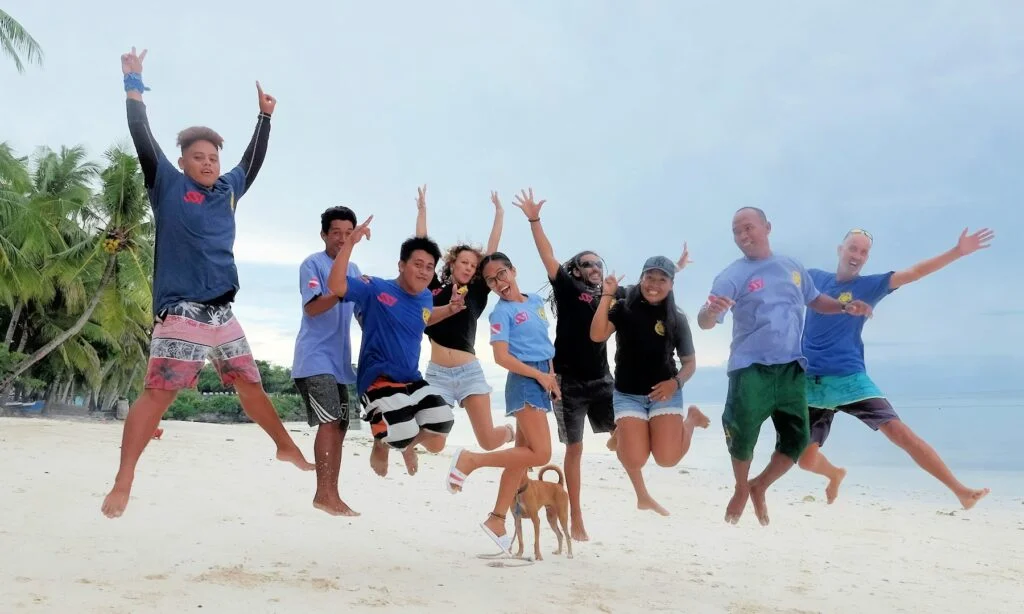
When you choose Valm Divers, you're not just another tourist ticking a box. You become part of a safe and fun sustainable adventure. Their whole approach is geared towards making sure the magic of Bohol's marine life can be enjoyed for generations to come. The infectious energy of the Valm Divers team really says it all—they bring a spirit of fun and professionalism to every single dive.
A Deeper Look at Bohol's Whale Sharks
When you understand the creatures you’re hoping to see, the entire experience changes. It goes from just spotting a big fish to truly appreciating why Bohol is so important for the health of our oceans. The Bohol Sea is more than just stunningly blue water; it’s a vital superhighway and a nursery for some of the sea's most magnificent animals.
The science behind these sightings tells a pretty amazing story. It turns out the Philippines is home to the second-largest known population of whale sharks on the planet, and the Bohol Sea is a major hotspot. What’s really interesting is the work from organisations like LAMAVE, which shows that most of the sharks found here are young males. Through years of photo-identification and tagging, researchers have pieced together a detailed picture of this specific group.
The Young Travellers of the Bohol Sea
Most of the whale sharks, or 'butanding' as they’re called locally, that cruise through Bohol’s waters are juveniles. They usually measure between 2.25 to 8 metres long, with the average being around 4.5 metres. This tells us the area isn't just a random stop; it’s a crucial feeding ground where the next generation comes to grow and mature.
This scientific insight is key. Knowing you are likely observing young sharks on a vital part of their life journey adds a new layer of wonder to any encounter. It underscores the responsibility we have to protect their environment.
Since 2015, researchers have identified over 380 individual whale sharks in these waters. And get this—a staggering 96.5% of them were male. These sightings are often tied to natural feeding frenzies, like tuna boils, where you can see the sharks actively gulping down food. You can discover more insights about these Bohol whale shark findings directly from the researchers to get a better sense of their behaviour.
Connecting the Dots Across the Sea
The tracking data paints an even bigger picture. Scientists use photo-identification—a clever method where each shark’s unique spot pattern acts like a fingerprint—to track individuals. This has allowed them to connect sharks seen in Bohol to other critical marine sanctuaries, including the world-famous Tubbataha Reefs Natural Park, a UNESCO World Heritage site.
This discovery shows just how interconnected the entire region is. Protecting the Bohol Sea isn't a standalone effort; it's one crucial piece of a much larger puzzle. The health of this ecosystem directly supports whale shark populations across the whole Sulu-Sulawesi Marine Ecoregion. So, when you choose an ethical operator for your whale shark watching Bohol adventure, you’re not just going for a swim. You're actively helping to protect this incredible web of life, ensuring these gentle giants can continue their amazing journeys for generations to come.
Our Role in Protecting the Bohol Sea
When we travel, our choices matter. Every decision we make can either help protect the stunning marine world we've come to see or put it at risk. The Bohol Sea isn't just a picturesque holiday spot; it's a vital highway for marine life, especially the magnificent whale sharks. Understanding this connection helps us become better stewards of this incredible environment.
Let's be clear: responsible tourism isn't just a nice-to-have anymore. The future of the gentle giants cruising through the Bohol Sea is directly tied to how we behave as visitors. Every time you pick a tour operator that enforces a no-contact policy or you follow the marine park rules, you're casting a vote for a future where these creatures can continue to thrive.
A Critical Nursery for Young Whale Sharks
We're not just guessing about the importance of this area. Scientific research gives us a clear picture. Satellite tracking studies of juvenile whale sharks have shown just how essential the Bohol Sea is. These young sharks aren't just passing through; they're making incredible journeys, sometimes hundreds or even thousands of kilometres, all within Philippine waters.
One study followed young sharks for an average of 64 days as they travelled between 86 and 2,580 kilometres. This isn't a random feeding stop; it's a critical nursery and migratory path. You can learn more about these whale shark tracking findings to see just how far they travel. Knowing this really drives home why conservation here is so crucial, especially with over 500 individual whale sharks identified in the region so far.
From Past Dangers to a Protected Future
The need to protect them becomes even more urgent when you look at the past. It's estimated that between 1991 and 1997, more than 700 whale sharks were hunted and harvested in these very waters. That's a devastating number, and it shines a harsh light on the threats they once faced.
Thankfully, that kind of hunting is now illegal. But the dangers haven't completely vanished. Today, the threats look different: illegal fishing practices, accidental boat strikes, and the ever-present problem of plastic pollution. This is precisely why supporting sustainable whale shark watching in Bohol is so powerful. When you choose an ethical operator, you're directly funding a form of tourism that protects these animals instead of exploiting them.
When you become an advocate for the ocean, you understand that a healthy Bohol Sea is bigger than just the whale sharks. It’s the lifeline for the entire Sulu-Sulawesi Marine Ecoregion. Your thoughtful choices help keep this underwater paradise alive for everyone.
Answering Your Questions About Bohol's Whale Sharks
Thinking about swimming with whale sharks in Bohol? It’s an incredible experience, but it's natural to have a few questions before you dive in. Let's tackle some of the common ones so you can plan a trip that's not just amazing, but also responsible.
So, when should you book your flight? While you can spot whale sharks in the Bohol Sea all year, your best bet is during the dry season, which typically runs from November to June. The seas are calmer and the water is clearer, which makes for perfect conditions and a much higher chance of a natural encounter while you're out snorkelling or diving.
What Does an Ethical Dive Day Actually Look Like?
It all starts with the right people. A responsible operator like Valm Divers doesn't just throw you in the water. Your day will begin on land with a comprehensive briefing where the divemasters walk you through the plan, go over safety checks, and, most importantly, lay down the ground rules for interacting with marine life. The number one rule is always look, don't touch.
The whole vibe is about creating a safe and fun experience. From the moment you step on the boat to the second you surface, their professional team is there to make sure you're comfortable and having a great time. When you feel secure, you can truly appreciate the magic of Panglao's underwater world without a worry.
Choosing a dive operator that prioritises safety and ethics isn't just for your own peace of mind. It’s a crucial choice that helps protect the very marine life you've travelled all this way to see.
How Can You Personally Help With Conservation?
Believe it or not, your choices as a tourist have a huge impact. The single most important thing you can do is pick dive centres that strictly follow eco-friendly guidelines. Beyond that, you can join a local clean-up dive or simply live by the "leave no trace" philosophy on every trip.
Beautiful Panglao is more than just a pretty beach; it's a real centre for marine conservation and education. It's a fantastic place to get your own scuba diving certifications, or even train to become a professional. When you invest in a course here, you’re supporting a local economy that understands the ocean is their most valuable asset, ensuring Bohol stays a paradise for generations to come.
Ready to experience the breathtaking beauty of Panglao's underwater world with a team that puts your safety and the ocean first? Book your fun dive or professional course with Valm Divers today and start your unforgettable adventure. Visit them at https://www.valmdiversbohol.com.
We are the premier boutique dive shop located right on the stunning Alona Beach in Panglao, Bohol, offering fun-dives, trips, and excursions as well as SSI scuba dive courses from introductory and novice levels up to professional level divemaster and instructor.