The Philippines, an archipelago of over 7,000 islands, is situated at the heart of the Coral Triangle and is globally recognised as the epicentre of marine biodiversity. For scuba divers, this translates to a paradise of unparalleled variety, from historic WWII wrecks and vibrant coral gardens to encounters with whale sharks. This guide unveils the most spectacular philippines dive sites, each offering a unique window into the rich aquatic life that thrives beneath the waves. We will provide essential details on each location, covering marine life highlights, typical depth ranges, required skill levels, and the best ways to access these underwater wonders.
Whether you're a novice diver looking for a safe and fun company like VALM Divers to begin your journey or a seasoned pro seeking new challenges, the Philippines has an adventure waiting for you. We'll explore destinations like the world-renowned Tubbataha Reefs, the thresher shark havens of Malapascua, and the beautiful island of Panglao in Bohol. Panglao is not only a stunningly beautiful destination but also an excellent place to train as a scuba diving professional, combining rigorous instruction with a breathtaking tropical setting. This curated list will equip you with the actionable information needed to plan your ultimate dive expedition through this aquatic wonderland.
1. Tubbataha Reefs Natural Park, Palawan
Often hailed as the crown jewel of diving in the Philippines, Tubbataha Reefs Natural Park is a UNESCO World Heritage site that offers an unparalleled underwater experience. Located in the middle of the Sulu Sea, approximately 150 kilometres southeast of Puerto Princesa, its remote location has preserved a pristine marine ecosystem teeming with life. This protected area is only accessible via liveaboard boats during a short season from mid-March to mid-June, making a trip here a truly exclusive adventure.
The park’s immense biodiversity and dramatic underwater topography make it one of the most sought-after philippines dive sites. Divers can expect breathtaking vertical walls that plummet into the abyss, vibrant coral gardens, and a staggering density of large marine megafauna.
Notable Dive Spots within Tubbataha
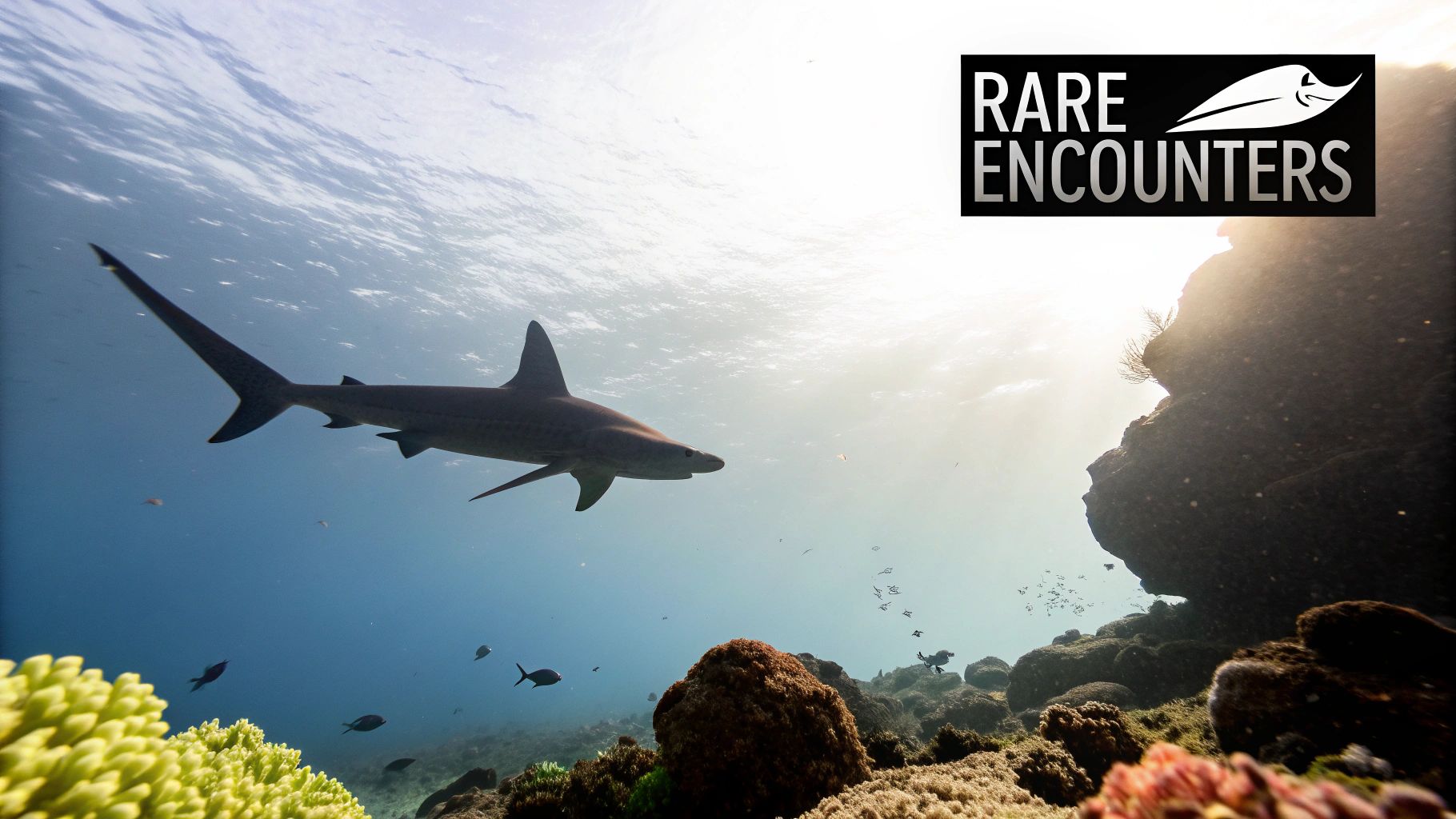
Shark Airport: True to its name, this site is a busy hub for sharks. Divers frequently encounter grey reef sharks, whitetip reef sharks, and, for the lucky few, even majestic tiger sharks and whale sharks gliding through the blue.
Black Rock: Prepare for awe-inspiring scenes of massive schools of fish. This site is famous for its vortex-like formations of barracuda and jacks, creating a mesmerising spectacle against a backdrop of healthy hard corals.
Malayan Wreck: This former supply vessel, which ran aground in 1999, now serves as a fascinating artificial reef. It attracts a diverse array of fish and offers a unique contrast to the natural reef structures found elsewhere in the park.
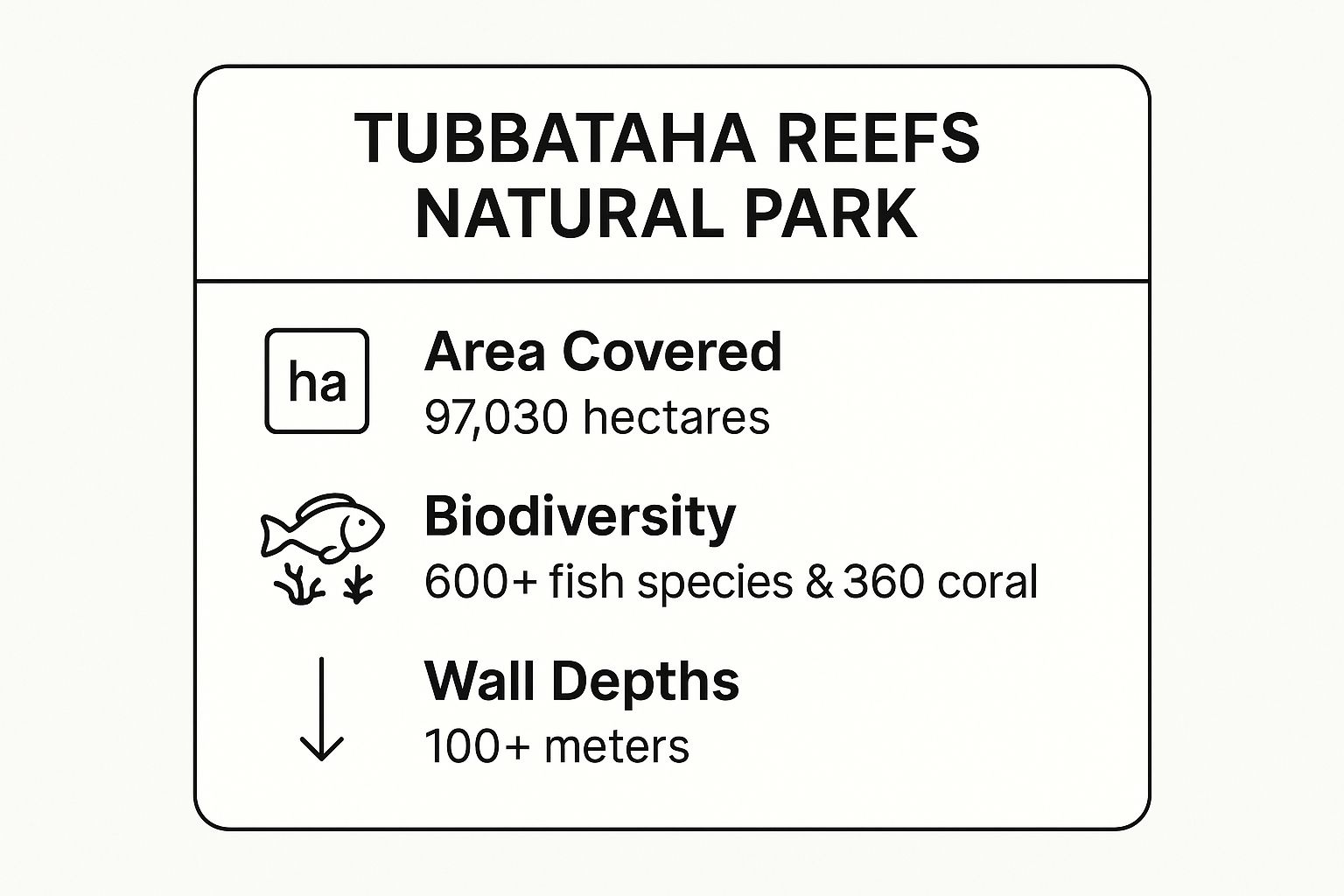
For a quick overview, this summary box highlights the sheer scale and richness of Tubbataha.
The data clearly illustrates why Tubbataha is a global hotspot for marine biodiversity, covering a vast protected area with incredible vertical drops.
Essential Tips for Your Trip
Due to its remote and challenging nature, careful planning is crucial for a successful Tubbataha expedition.
Book Well in Advance: Liveaboard slots fill up fast. It is highly recommended to book your trip 6 to 12 months in advance.
Diver Experience: This destination is best suited for advanced divers comfortable with strong currents and deep dives. A minimum of an Advanced Open Water certification with significant experience is often required.
What to Pack: The journey can be rough, so pack seasickness medication. Only reef-safe sunscreen is permitted to protect the delicate corals. For photographers, a wide-angle lens is essential to capture the grand underwater landscapes.
2. Apo Island, Negros Oriental
A testament to successful community-based conservation, Apo Island is a world-renowned marine sanctuary located off the coast of Dauin. This small volcanic island, pioneered by the work of marine biologist Angel Alcala and Silliman University, showcases how local stewardship can create a thriving underwater ecosystem. Its success has made it a model for marine protected areas globally and a bucket-list destination for divers visiting the Visayas region.
The island’s marine sanctuary status has allowed its coral gardens to flourish and its fish populations to boom. This makes it one of the most vibrant philippines dive sites for encountering incredible biodiversity, especially a famously large population of sea turtles.
Notable Dive Spots within Apo Island
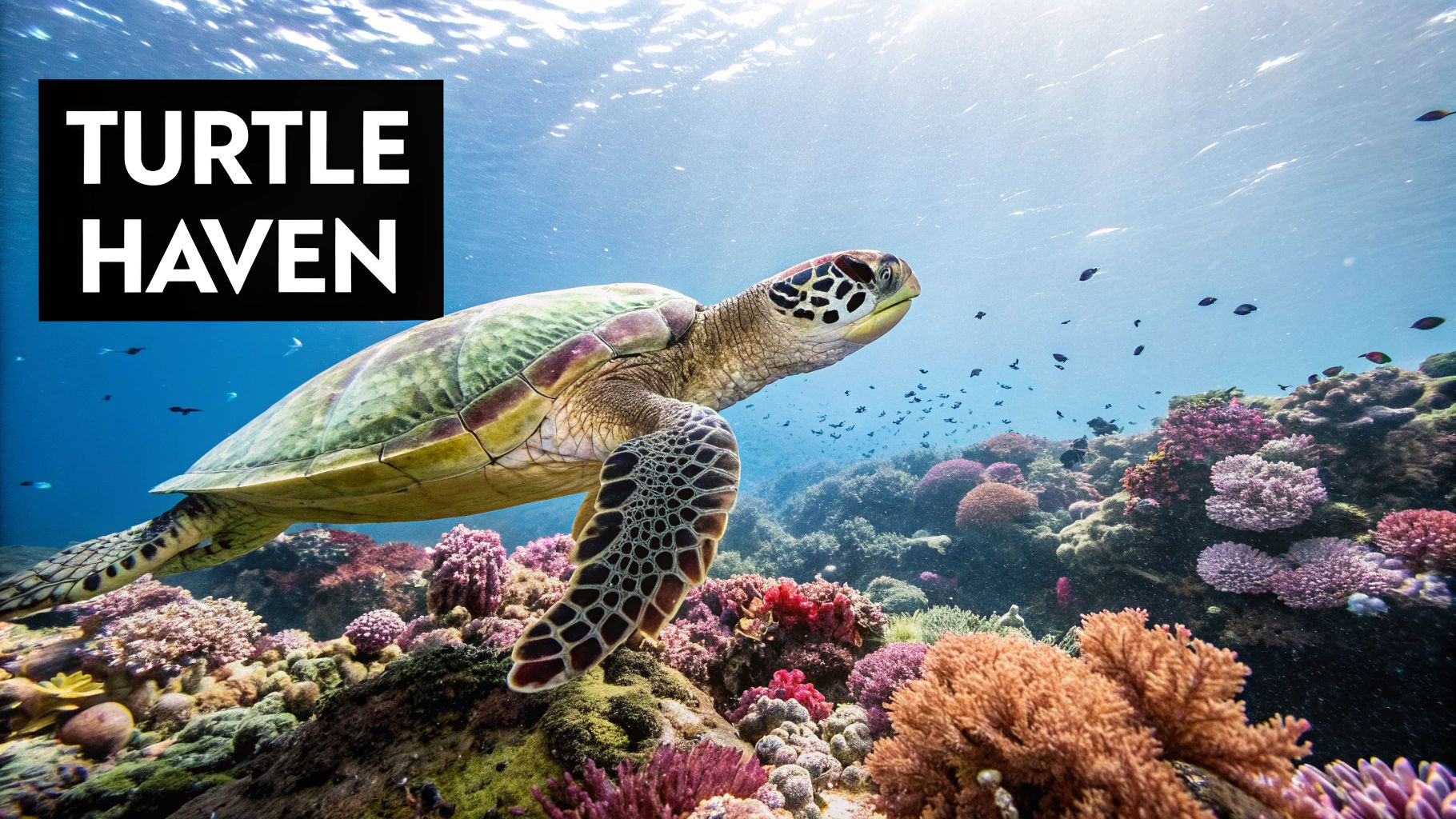
Chapel Point: Famous for its "turtle cleaning station," this is the go-to spot for almost guaranteed encounters with green sea turtles. Divers can watch these gentle giants as they rest on the coral and allow cleaner wrasse to attend to them.
Coconut Point: Often called the "washing machine" due to its potential for strong currents, this site is an exhilarating drift dive. It offers a spectacular view of a sloping coral garden teeming with diverse reef fish, snappers, and trevallies.
Katipanan: This site features a beautiful wall dive adorned with soft corals, sea fans, and sponges. It’s an excellent place to spot pelagic species like tuna and jacks passing by in the blue, as well as smaller macro life hiding in the crevices.
Essential Tips for Your Trip
To make the most of your visit while respecting the delicate environment, a little planning goes a long way.
Support Local Conservation: All visitors are required to pay a marine park fee. This directly funds the local community’s conservation efforts, so be sure to pay it and follow all sanctuary rules.
Stay Overnight: While day trips from Dauin are popular, staying on the island allows for a more relaxed diving schedule. This gives you access to early morning dives before the crowds arrive and a chance to experience the island’s tranquil culture.
Bring an Underwater Camera: With countless sea turtles and vibrant coral reefs, Apo Island is a photographer’s dream. A camera is essential for capturing those unforgettable turtle moments. Visiting early in the morning often provides the best light and fewest other divers.
3. Donsol, Sorsogon
Dubbed the 'Whale Shark Capital of the World,' Donsol offers one of the planet's most ethical and reliable encounters with the ocean's gentle giants. This once-sleepy fishing town in Sorsogon has blossomed into a premier eco-tourism destination, thanks to a community-based programme pioneered with the WWF. Unlike other locations, interactions here are strictly limited to snorkelling, ensuring the whale sharks (butanding) remain undisturbed in their natural feeding grounds.
The approach in Donsol prioritises animal welfare, providing a sustainable model that benefits both the local community and the marine ecosystem. Its reputation for responsible tourism and consistent whale shark sightings makes it a standout choice among the top philippines dive sites for those seeking a truly meaningful wildlife experience. While the main draw is snorkelling, nearby areas offer excellent scuba opportunities.
Notable Spots and Experiences near Donsol
Donsol Bay: This is the primary aggregation site where butanding come to feed on plankton. Visitors join small boats with a guide and spotter, jumping in to snorkel alongside these magnificent creatures as they cruise near the surface.
Ticao Pass (Manta Bowl): A short boat ride away, this site is a world-renowned cleaning and feeding station for majestic oceanic manta rays. Divers can experience thrilling drift dives in strong currents while watching mantas gracefully glide by.
San Miguel Island: Offering a different underwater adventure, this island features healthy coral gardens and diverse macro life. It's an excellent option for scuba diving when whale shark sightings are less frequent or to add variety to your trip.
Essential Tips for Your Trip
To make the most of your visit while respecting the local guidelines, careful planning is key.
Best Time to Visit: The peak season for whale shark sightings runs from February to April. It is highly recommended to book accommodations and tours well in advance during this period.
Follow the Rules: Adhere strictly to the WWF interaction guidelines. This includes no touching, maintaining a safe distance, and using only biodegradable sunscreen to protect the marine environment.
Increase Your Chances: Whale shark sightings are not guaranteed. Plan to stay for several days to maximise your opportunity for an encounter, as conditions can change daily. This also allows time to explore other nearby dive locations.
4. Puerto Galera, Mindoro
Recognised as a UNESCO Man and Biosphere Reserve, Puerto Galera is a diving hotspot known for its incredible variety and accessibility. Located just a few hours south of Manila, it offers a staggering collection of over 30 dive sites along the coast of Oriental Mindoro. This convenience makes it a favourite for weekend warriors and international visitors alike, providing a complete diving experience from gentle slopes to exhilarating drift dives.
The area is a treasure trove for macro photographers and those who appreciate the smaller wonders of the ocean, but its dramatic underwater landscapes also captivate those seeking grander scenes. Its position within the Verde Island Passage, a centre of marine biodiversity, ensures that every dive is rich with life, solidifying its place among the essential philippines dive sites.
Notable Dive Spots within Puerto Galera
Canyons: A thrilling drift dive for the more experienced, this site features three stunning canyons adorned with vibrant soft corals and sea fans. Strong currents attract schools of trevally, sweetlips, and barracuda.
Shark Cave: An exciting cavern dive where resting whitetip reef sharks are often found. The site also features a beautiful coral garden on the shallower reef top, making it a multi-level adventure.
Verde Island Wall: A short boat ride away, Verde Island offers some of the most pristine and biodiverse diving in the region. Divers can explore a sheer wall that drops into the deep, covered in a kaleidoscope of hard and soft corals.
Essential Tips for Your Trip
To make the most of your Puerto Galera dive holiday, a little planning goes a long way. The area's popularity requires some forethought.
Timing is Key: The destination can be very busy, especially on weekends. Try to plan your visit on weekdays to enjoy less crowded dive sites and a more relaxed atmosphere.
Gear Up for Macro: Puerto Galera is a world-class muck diving and macro photography destination. Bring your macro lens to capture the stunning diversity of nudibranchs, frogfish, and other tiny critters.
Smart Booking: Many resorts offer dive packages that include accommodation, meals, and multiple dives per day. Booking a package can be more convenient and cost-effective. Consider getting Nitrox certified to maximise your bottom time across several dives.
5. Malapascua Island, Cebu
This small, beautiful island north of Cebu has carved out a legendary reputation for one primary reason: it is the most reliable place on earth to see the elusive thresher shark. The island's proximity to Monad Shoal, an underwater seamount that acts as a natural cleaning station, provides divers with a near-guaranteed opportunity to witness these incredibly graceful sharks with their distinctive, whip-like tails. This unique and reliable encounter makes Malapascua one of the most essential philippines dive sites for any serious diver.
Beyond the famous sharks, the island offers a surprisingly diverse range of dive experiences. From vibrant coral gardens and eerie caverns to the potential for spotting other large pelagics like manta rays, Malapascua delivers a complete and unforgettable diving holiday.
Notable Dive Spots within Malapascua
Monad Shoal: The main event. Divers descend to a sunken plateau before sunrise to watch thresher sharks ascend from the deep to be cleaned by wrasse. It is a breathtaking and humbling experience that requires excellent buoyancy control to avoid disturbing the natural behaviour.
Gato Island Caverns: A designated marine reserve and sea snake sanctuary, this site features a thrilling swim-through cavern. Inside, you can often find whitetip reef sharks resting on the sandy bottom, creating a truly adventurous dive.
Chocolate Island: Named for its mound-shaped, coral-covered rocks, this is a fantastic muck diving site. Here, macro photographers can hunt for seahorses, frogfish, and a wide variety of colourful nudibranchs.
Essential Tips for Your Trip
To make the most of your thresher shark quest, a bit of planning goes a long way. The island has a relaxed vibe, but the diving is serious fun.
Book Sunrise Dives: The best and most consistent thresher shark sightings happen at dawn. Be prepared for very early morning wake-up calls; they are absolutely worth it.
Stay Multiple Nights: To maximise your chances of a great encounter, plan for at least two or three days of diving at Monad Shoal. This gives you a buffer against weather or shy sharks.
What to Pack: The early morning dives can be chilly, so a 3mm or 5mm wetsuit is recommended. Proper buoyancy is critical at the cleaning station, so ensure you are appropriately weighted. Consider a full-day trip that combines diving with island hopping to explore the surrounding area.
6. Coron, Palawan
Famed globally for its exceptional wreck diving, Coron in Palawan offers a hauntingly beautiful window into World War II history. The waters of Coron Bay hold one of the largest concentrations of sunken Japanese warships from a 1944 air raid, creating a world-class underwater museum. This historical significance, combined with dramatic limestone karst landscapes and unique lake diving, solidifies its status as one of the most compelling philippines dive sites.
Beyond the historical steel giants, Coron presents a diverse underwater environment. Divers can explore vibrant coral gardens, navigate through stunning underwater cathedrals formed by rock formations, and experience the unusual thermoclines of its inland lakes. This blend of history and natural wonder makes every dive a unique adventure.
Notable Dive Spots within Coron
Irako Maru: A massive, 147-metre Japanese refrigeration ship sitting almost perfectly upright. Its sheer size and multiple penetration points offer an exciting challenge for advanced divers, with engine rooms and cargo holds to explore.
Okikawa Maru: One of the largest wrecks in the bay, this former oil tanker is now encrusted with coral and home to an abundance of marine life. Its deck lies at a relatively shallow 10-16 metres, making it accessible to a wider range of divers.
Barracuda Lake: A truly unique dive, this spot is a mix of freshwater and saltwater with a dramatic thermocline where temperatures can jump to 38°C (100°F). The otherworldly underwater landscape and the resident school of barracuda make for an unforgettable experience.
Essential Tips for Your Trip
To make the most of Coron's challenging and rewarding dive sites, proper preparation is key.
Certification Matters: Many of the best wrecks are deep. An Advanced Open Water certification is highly recommended to fully appreciate what Coron has to offer. Consider taking a wreck specialty course locally to enhance your skills.
Bring a Torch: Exploring the inside of these vast shipwrecks requires a powerful dive light to reveal the hidden details within the shadows and see the true colours of the encrusting life.
Respect the Sites: These wrecks are historical gravesites and fragile ecosystems. Follow a strict "look, don't touch" policy and never remove any artefacts.
Plan for Enough Time: To explore a good number of the key wrecks without rushing, plan a trip of at least four to five days dedicated to diving.
7. Bohol (Panglao Island)
Panglao Island, adjacent to Bohol, is celebrated for its stunning beauty and offers an incredible variety of diving experiences, from gentle sloping coral gardens to dramatic vertical walls. Its accessibility and the healthy state of its reefs make it a premier destination for divers of all levels. The area is also a hotspot for macro life, attracting photographers eager to capture its tiny, colourful inhabitants. This unique blend of world-class diving and topside attractions, like the famous Chocolate Hills, cements its status among the top philippines dive sites.
The marine ecosystems around Panglao are remarkably diverse, featuring everything from vibrant hard and soft corals to bustling schools of fish and unique critters. This makes it an ideal location not only for recreational diving but also for those looking to advance their skills. Reputable dive centres, such as Valm Divers, are known for providing safe, fun, and comprehensive training. It's truly a good place to train as a scuba diving professional, offering a perfect blend of challenging environments and expert instruction.
Notable Dive Spots around Panglao
Balicasag Island: A protected marine sanctuary, this island is renowned for its steep walls and incredible fish life. Divers can expect to see huge schools of jacks, barracuda, and resident sea turtles cruising along the reef.
Arco Point: Often called "Hole in the Wall," this unique site features a short swim-through that opens onto a beautiful coral slope. It's a fantastic spot for spotting sea snakes and a variety of colourful reef fish.
Napaling Reef: With a breathtaking wall that drops from 3 metres down to 40 metres, Napaling is famous for its massive schools of sardines. The sheer number of fish creates a mesmerising, shimmering spectacle for both freedivers and scuba divers.
Essential Tips for Your Trip
To make the most of your Bohol adventure, combine underwater exploration with the island's unique terrestrial attractions.
Combine Tours: Plan a day trip to see the iconic Chocolate Hills and the adorable, tiny tarsiers at the Philippine Tarsier Sanctuary.
Stay on Panglao: For the most convenient access to dive sites and beautiful beaches, book your accommodation on Panglao Island.
Macro Photography: Don't forget your macro lens. The area is a haven for nudibranchs, frogfish, and other fascinating small critters.
Explore the Caves: Take a break from the ocean and visit Hinagdanan Cave to swim in its unique underground lagoon.
8. Batangas (Verde Island Passage)
Dubbed the "Centre of the Centre of Marine Shorefish Biodiversity," the Verde Island Passage is a strait separating Luzon and Mindoro islands. Its strategic location and powerful currents foster an ecosystem with the highest concentration of marine species on the planet. This makes Batangas, and specifically the passage it borders, one of the most vital and rewarding philippines dive sites, accessible even for a weekend trip from Manila.
The area is celebrated for its incredible variety, offering everything from staggering walls and vibrant coral gardens to world-class muck diving. The sheer density of life here is astounding, attracting underwater photographers, marine biologists, and recreational divers alike who come to witness this global epicentre of marine life.
Notable Dive Spots within Batangas
Verde Island: The namesake island sits in the middle of the passage and is known for its pristine, current-swept walls. Sites like "The Washing Machine" offer thrilling drift dives over immaculate coral reefs teeming with anthias, turtles, and pelagic fish.
Anilao: Globally recognised as the macro photography capital of the Philippines, Anilao is a paradise for muck diving enthusiasts. The volcanic sand is home to an incredible array of rare critters, including frogfish, rhinopias, countless nudibranch species, and the elusive blue-ringed octopus.
Mabini: This area encompasses a wide range of shore and boat diving options suitable for all levels. Sites like Cathedral Rock feature a cross planted by a former Philippine president and are bustling with reef fish, making it a popular spot for training and leisure dives.
Essential Tips for Your Trip
To make the most of this biodiversity hotspot, a little planning goes a long way. The area's accessibility and variety require a tailored approach.
Choose Your Focus: Decide if you want epic wide-angle scenes at Verde Island or a macro critter hunt in Anilao. This will help you select the right dive operator and location for your stay.
Currents are Key: The Verde Island Passage is known for its strong and often unpredictable currents. Always dive with experienced local guides who understand the tidal patterns and conditions.
Visit on Weekdays: Being close to Manila, Batangas dive resorts can get very crowded on weekends. Plan a weekday trip for a more relaxed experience with fewer divers underwater.
9. Siargao Island, Surigao del Norte
Globally recognised as the surfing capital of the Philippines, Siargao Island offers a thrilling secret beneath its famous waves: a burgeoning and largely unexplored diving scene. For divers seeking an adventure off the beaten path, Siargao presents a unique opportunity to explore pristine, lesser-dived waters. Its remote location has helped preserve vibrant coral reefs, dramatic drop-offs, and intriguing underwater topography far from the usual crowds.
The island’s dual identity as a surf and dive paradise makes it one of the most exciting philippines dive sites for adventurous travellers. The underwater world here is characterised by healthy coral gardens, fascinating rock formations, and the potential for new discoveries, offering a raw and authentic diving experience.
Notable Dive Spots around Siargao
Sohoton Cove: Located in nearby Bucas Grande, this is a must-visit for its enchanting network of caves, caverns, and lagoons. Divers can explore submerged tunnels and witness the unique spectacle of harmless stinging jellyfish, creating a truly surreal underwater journey.
Magpupungko Rock Pools: Offering a one-of-a-kind experience, these tidal pools become accessible for diving and snorkelling during low tide. The crystal-clear waters reveal intricate rock formations and a surprising amount of marine life trapped until the tide returns.
Sugba Lagoon: This vast, enclosed lagoon provides a calm and scenic dive environment. It’s perfect for novice divers or those looking for a relaxed exploration amidst mangrove forests, with shallow coral gardens and a variety of reef fish.
Essential Tips for Your Trip
To make the most of your Siargao diving adventure, a little preparation goes a long way.
Combine Activities: Embrace Siargao’s culture by combining your diving trip with surfing lessons. The island offers world-class waves for all skill levels.
Plan a Longer Stay: Given its somewhat remote location, it is best to plan a longer trip to fully appreciate both the underwater and topside attractions without feeling rushed.
Check Certifications: As the dive industry here is still developing, carefully check the certifications and safety records of any dive operator you choose to ensure a secure and professional experience.
Gear Considerations: While operators offer rental gear, consider bringing your own mask, fins, and dive computer for comfort and familiarity, especially if you plan on multiple dives.
Top 9 Philippines Dive Sites Comparison
Destination
🔄 Implementation Complexity
💡 Resource Requirements
📊 Expected Outcomes
⭐ Key Advantages
⚡ Ideal Use Cases
Tubbataha Reefs Natural Park, Palawan
High – remote access, advanced diving skills needed
High – liveaboard only, advanced certification
Exceptional biodiversity, pristine ecosystems
World Heritage site, large pelagic species, excellent visibility
Unique thresher shark encounters, diverse marine life
Exclusive thresher shark site, variety of dive styles
Advanced divers seeking rare species
Coron, Palawan
High – advanced wreck diving, certification needed
High – specialized gear and training for wrecks
World-class wreck dives, historical artifacts
Largest WWII wreck concentration, unique thermocline diving
Advanced technical divers, history enthusiasts
Bohol (Panglao Island)
Low – accessible, suitable for all levels
Moderate – good infrastructure
Healthy reefs, excellent macro biodiversity
Less crowded, combination of diving and cultural tourism
All levels, cultural and diving combination
Batangas (Verde Island Passage)
Low – easy access, multiple dive options
Low to moderate – weekend trips from Manila
Highest marine biodiversity concentration
Diverse dive sites, accessible, macro photography hotspot
All levels, photographers, weekend divers
Siargao Island, Surigao del Norte
Moderate to High – limited infrastructure, cave diving
Moderate – planning required, fewer operators
Pristine reefs, unique cave dives
Uncrowded, adventure diving, combination surfing
Intermediate to advanced, adventure seekers
Your Next Dive Adventure Awaits in Panglao
From the remote, untouched splendour of Tubbataha Reefs to the historic wrecks of Coron Bay, the Philippines unequivocally stands as a diver's paradise. We've journeyed through a catalogue of world-class locations, each offering a unique underwater tapestry. You've seen the thresher sharks of Malapascua, the vibrant corals of Apo Island, and the macro wonders of the Verde Island Passage. Each of these philippines dive sites presents a compelling reason to pack your gear and explore the archipelago’s subaquatic realms.
The sheer diversity is staggering, catering to every skill level and interest. Whether you are a newly certified diver eager to explore the gentle slopes of Puerto Galera or a seasoned tec diver planning a deep dive on a sunken Japanese warship, this nation delivers. The key takeaway is that planning your dive adventure requires aligning your personal diving goals with what each unique destination offers. Consider not just the marine life you wish to see, but also the logistics, accessibility, and the type of topside environment you desire.
Why Panglao is the Perfect Hub for Your Philippine Dive Journey
While every location on our list is a world-beater, the beautiful island of Panglao in Bohol offers a perfect synthesis of everything that makes Philippine diving exceptional. It serves as an ideal basecamp for both novice and expert divers. Here, you get immediate access to a stunning array of dive sites just minutes from shore, from the sheer walls of Balicasag teeming with turtles to the macro-rich sands of Doljo Beach. The island itself is a tropical dream, with pristine white sand beaches and a vibrant, yet relaxed, atmosphere.
More than just a destination for leisure dives, Panglao has established itself as a premier location to advance your underwater education. Its calm, clear waters and diverse dive environments create an ideal natural classroom. If you are considering turning your passion into a profession, this is the place to start. The journey from recreational diver to a respected scuba diving professional is challenging but immensely rewarding, and choosing the right training centre is paramount to your success and safety.
At Valm Divers, located on the stunning Alona Beach, we have built our reputation on prioritising a safe and fun environment for every single diver. Our boutique, personalised approach means you are never just a number. We ensure every fun dive is a memorable experience and every course is taught to the highest standards. We believe that becoming a scuba diving professional should be an exciting and supportive journey, which is why we offer a full range of courses from beginner levels all the way to instructor. Let us guide you as you explore the magic of Panglao's underwater world and help you realise your professional diving ambitions.
Ready to discover the unparalleled beauty of Bohol's marine sanctuaries or begin your professional diving career? Connect with Valm Divers in Panglao to book your next course or fun dive and experience the best of the philippines dive sites with a team dedicated to safety, fun, and personalised adventure. Visit our website at Valm Divers to start your journey today.
We are the premier boutique dive shop located right on the stunning Alona Beach in Panglao, Bohol, offering fun-dives, trips, and excursions as well as SSI scuba dive courses from introductory and novice levels up to professional level divemaster and instructor.