Black Jellyfish Philippines: A Diver’s Unforgettable Encounter
Published: September 23, 2025
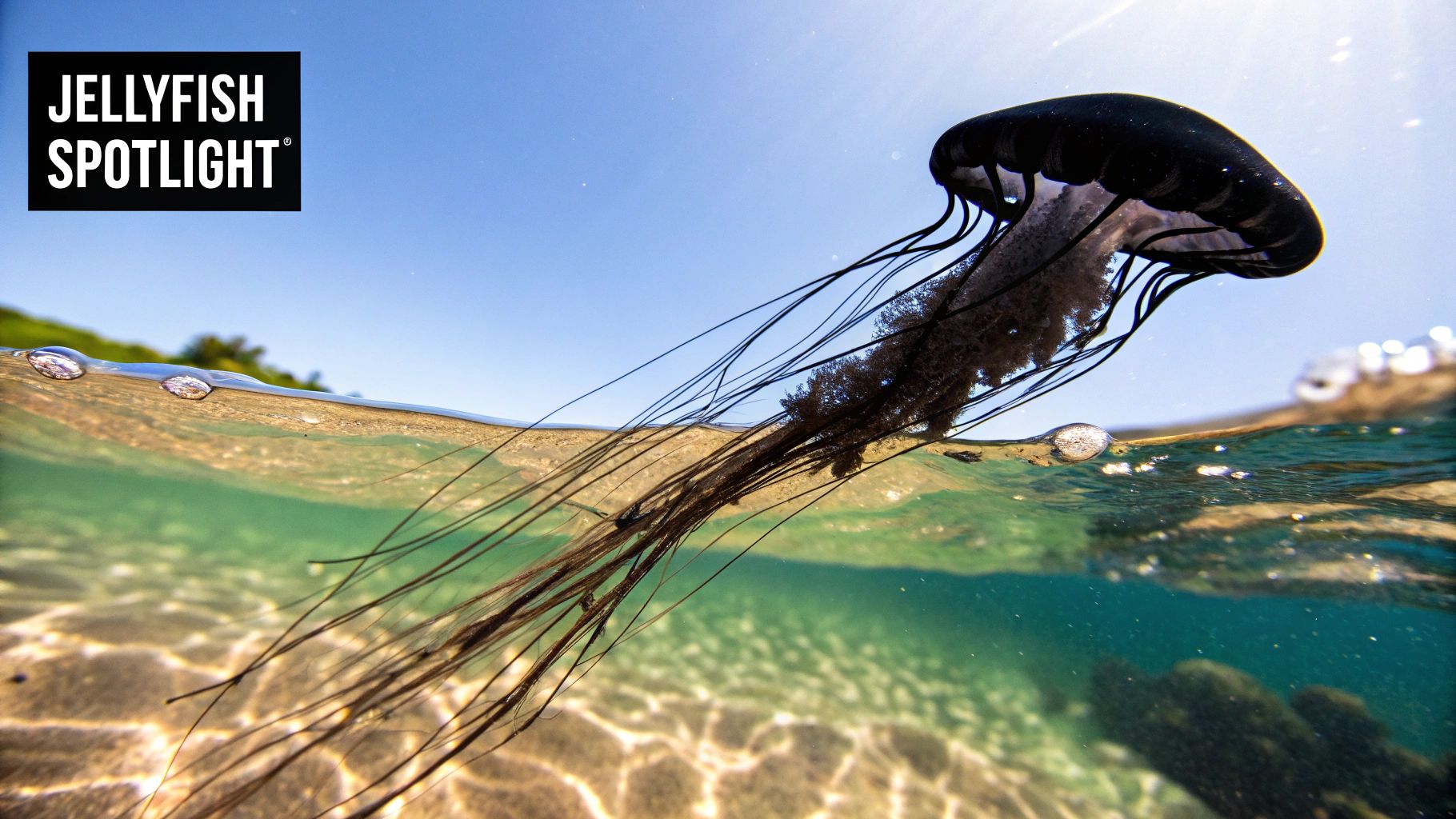
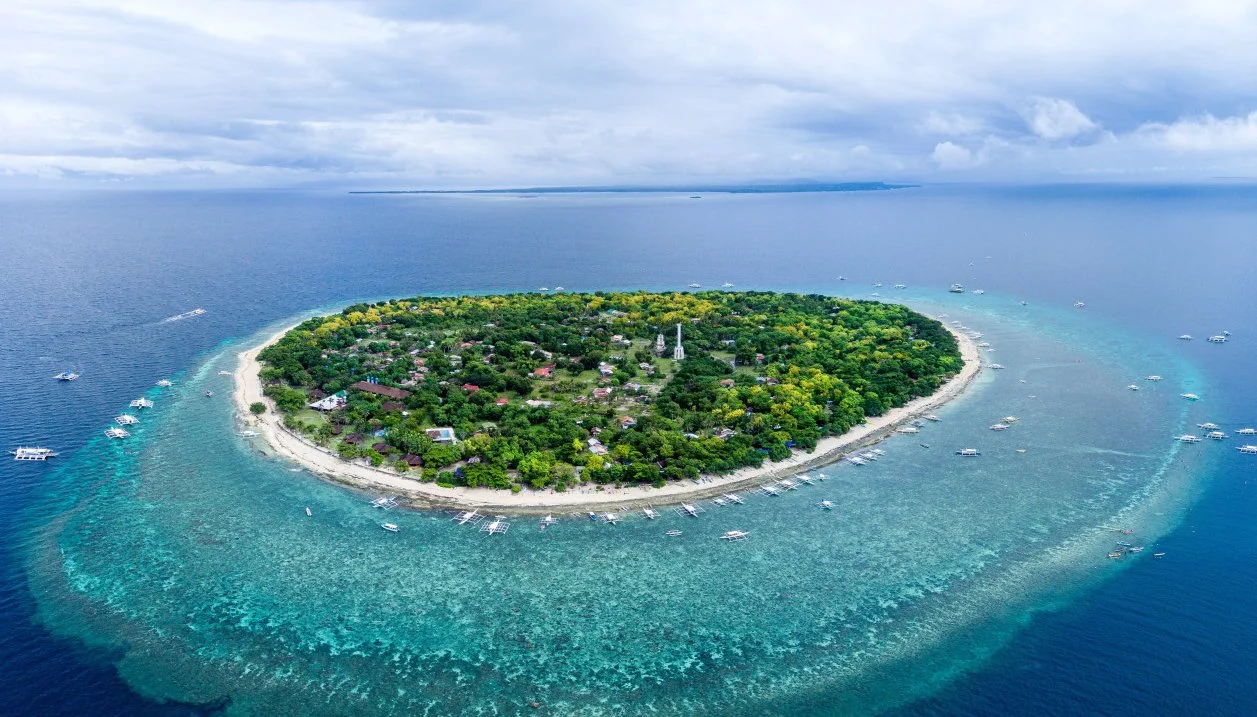
Picture this: you're weightless, drifting through the warm, crystal-clear waters of the Philippines. Suddenly, a dark, mysterious shape pulses into view, moving with a silent, graceful rhythm. That's the magic of an encounter with a black jellyfish, an experience that adds a touch of the extraordinary to any dive. These creatures are more than just shadowy blobs; they are a vital and fascinating part of the marine tapestry, especially around world-class dive spots like the beautiful island of Panglao.
The Allure of the Philippines' Black Jellyfish
The Philippines is an archipelago teeming with some of the planet's richest marine life, and spotting a black jellyfish is a truly special moment. There’s something enigmatic about them. Their slow, deliberate movements create a hypnotic underwater ballet that can captivate anyone, from a first-time snorkeler to a veteran diver.
This guide will be your deep dive into the world of the Philippines' black jellyfish. We'll get into what they are, where you're most likely to find them, and crucially, how to observe them safely and with respect for their environment.
Why Panglao is a Premier Destination
While you might see them in various spots, the beautiful island of Panglao really stands out. Famous for its white-sand beaches and vibrant coral reefs, it provides the perfect stage for underwater exploration. The waters here are practically buzzing with life, giving you a chance to see not just these jellyfish but a whole spectrum of marine wonders.
Of course, the key to a truly great trip is having the right guide. A professional, safety-focused dive company can make or break the experience.
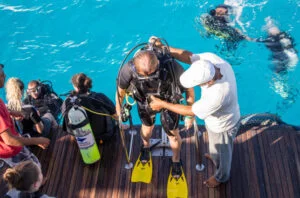
Diving with an expert team ensures that your encounter with marine life is not only breathtaking but also conducted with the highest safety standards. This peace of mind allows you to fully immerse yourself in the beauty of the underwater world.
A safe and fun company like Valm Divers can turn a simple dive into an unforgettable—and safe—marine adventure. Their deep local knowledge means they know exactly where to go and how to guide you with confidence.
A Safe and Fun Learning Environment
For many, the ocean's call is strong. Diving becomes more than a hobby; it’s a passion. If you’re one of those people, having a supportive and professional place to learn is essential. Panglao happens to be an incredible place to train as a scuba diving professional, offering expert instructors and some of the most amazing "classrooms" you could ask for.
Expert Guidance: You’ll learn from seasoned pros who put your safety and education first.
Fun and Supportive Atmosphere: The best learning happens when you're enjoying yourself in a positive environment.
World-Class Location: Where better to train than in one of the most biodiverse and beautiful settings on Earth?
So, whether you’re just curious about what lies beneath the waves or you’re an experienced diver looking to go pro, this guide will help you appreciate these captivating animals with the confidence and respect they deserve.
Identifying the Black Jellyfish You Might Encounter
The name ‘black jellyfish’ can sound a bit intimidating, but once you know what you’re looking at, that fear often turns into fascination. In the Philippines, this isn't just one specific species. It’s a general term that often points to several jellies, many belonging to the Catostylus genus. Think of it like learning to tell different local birds apart—each one has its own distinct characteristics.
Getting familiar with their common traits is the first step to appreciating these incredible creatures from a safe distance. Their colour isn't always a solid, inky black. You'll see shades ranging from a deep, dark purple to a true black, which can change depending on their age, what they’ve been eating, and even how the light hits them underwater.
Key Features to Look For
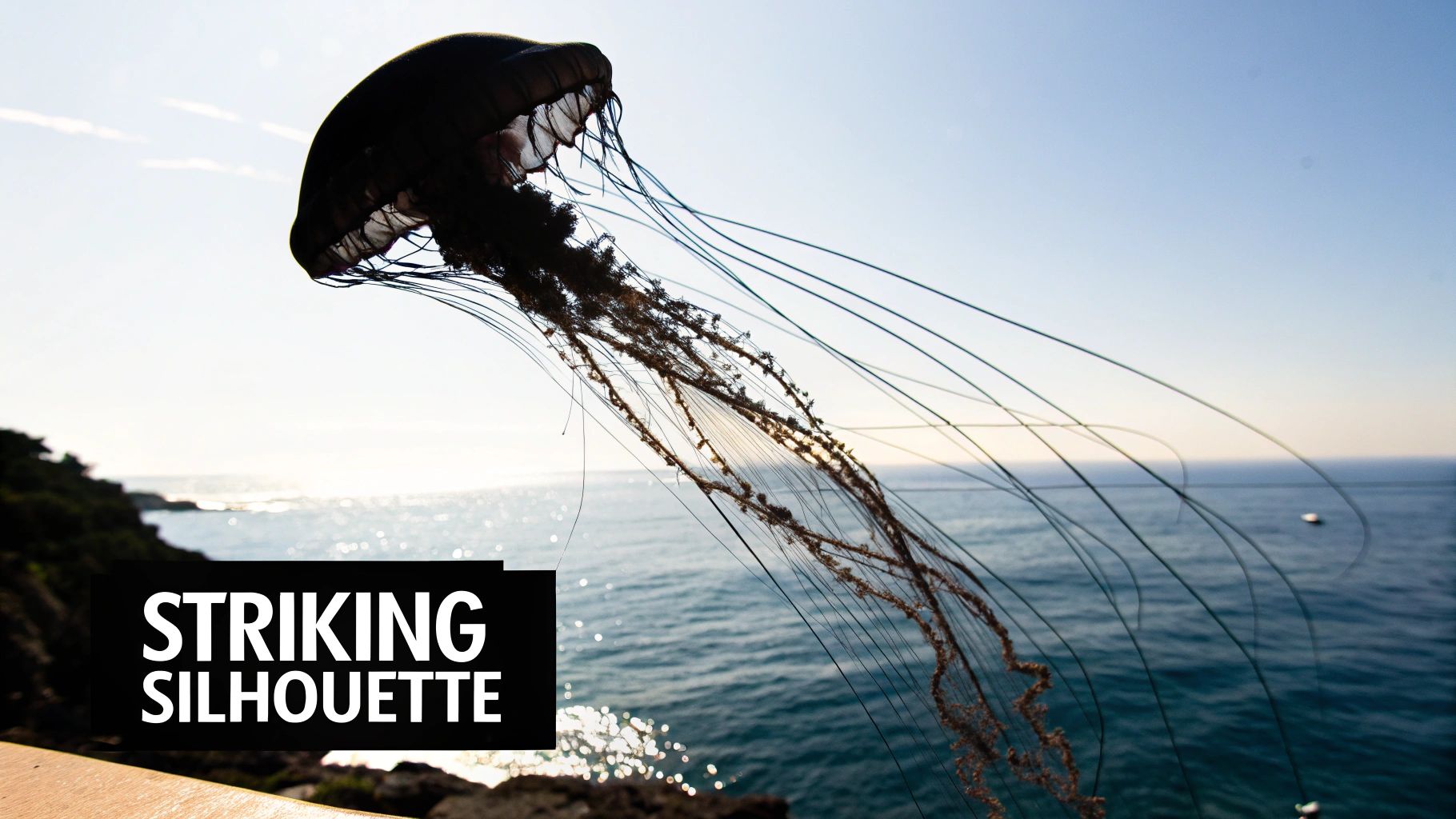
The first thing you'll probably notice is the main body, or the bell. It's usually a smooth, dome-like shape that pulses gently to move through the water. But here’s a key difference: instead of long, stringy tentacles, these jellyfish have what we call oral arms. These are much thicker, more complex-looking structures that hang down from the bell and are used to catch food.
And don't assume you'll only find them on remote reefs. They're surprisingly common in coastal waters. In one well-documented case, a group of about 100 black jellyfish was spotted near the Port of Bacolod in Negros Occidental, showing just how close to urban areas they can get. You can read more about this specific observation of black jellyfish in the Philippines.
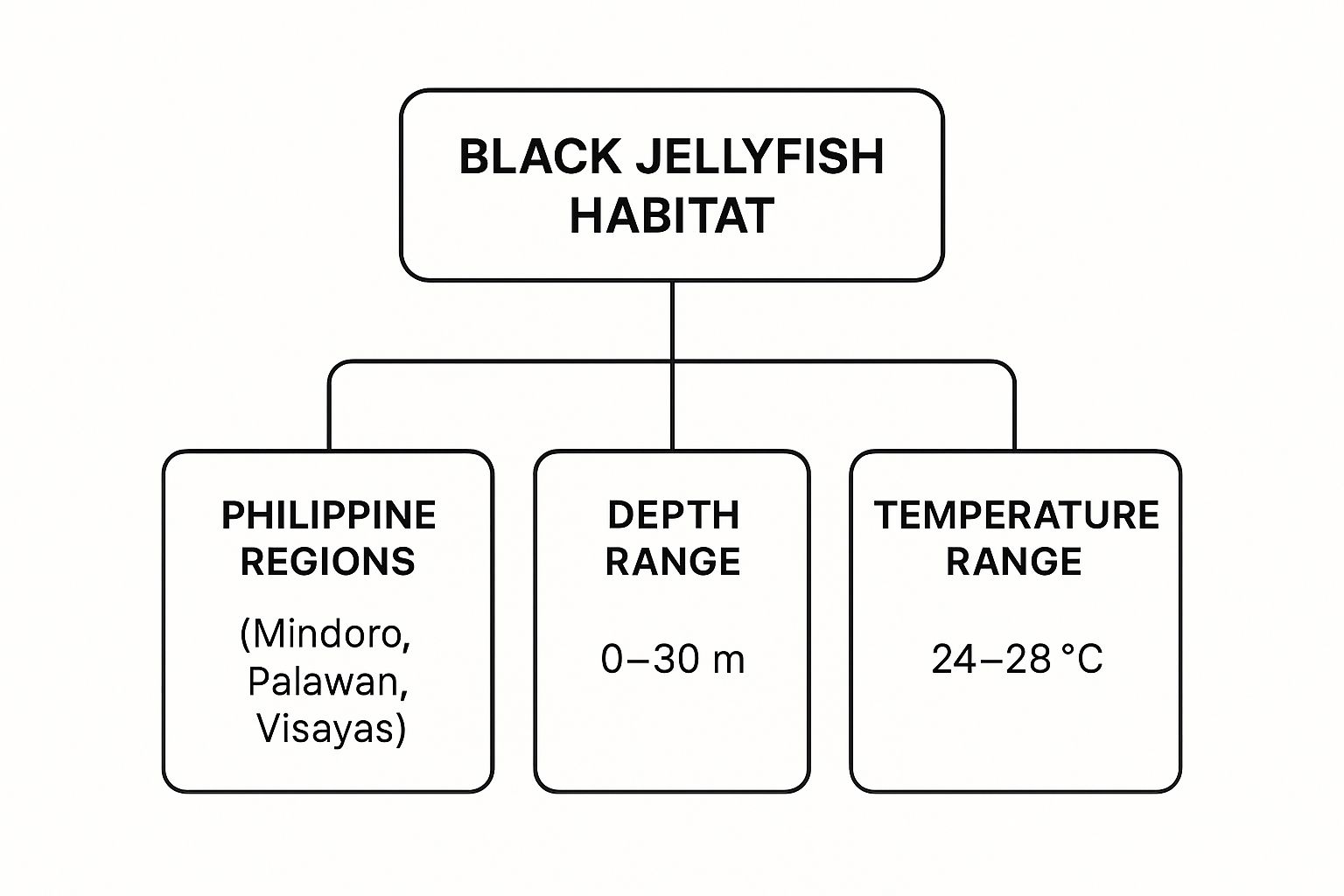
This image gives a great overview of the conditions where you're most likely to spot them.
As you can see, black jellyfish prefer certain warm, shallower environments, which is exactly why they’re so frequently seen in places like Palawan and the Visayas.
Black Jellyfish Identification Quick Guide
To make things a bit easier, here’s a quick reference table. Use this as a mental checklist when you think you’ve spotted a black jellyfish on your dive.
Characteristic
Description
Colour
Ranges from deep purple to inky black.
Bell Shape
Smooth, rounded, and dome-like.
Movement
Gentle, rhythmic pulsing of the bell.
Tentacles
Lacks long, thin tentacles.
Oral Arms
Features 8 thick, cauliflower-like arms for feeding.
Size
Bell diameter can reach up to 45 cm.
Habitat
Typically found in warm, shallow coastal waters and estuaries.
Keep these features in mind, and you'll be able to confidently identify them during your dives. It's a skill that adds a whole new layer to exploring the underwater world.
Your Underwater Guide to Identification
Knowing what to look for on paper is one thing, but having an expert point it out in real-time is another. This is where professional dive guides become invaluable. When you're diving in a biodiversity hotspot like Panglao, a local guide can show you these features up close and personal.
For example, diving with a safe and fun company like Valm Divers means you have a pro right by your side. Their guides know the local marine life inside and out and can help you build your identification skills and confidence with every dive.
This kind of hands-on experience is simply irreplaceable. For anyone serious about diving, perhaps even looking to train as a scuba diving professional in Panglao, learning marine life identification is a cornerstone of your training. There's no better classroom than the vibrant waters of the Philippines. With the right guidance, you'll learn not just to see what's down there, but to truly understand it.
Mapping Your Black Jellyfish Dive Adventure
When it comes to spotting incredible marine life, timing is everything. Catching a glimpse of a black jellyfish in the Philippines is no exception—success really comes down to being in the right place at the right time. Luckily, these mesmerising creatures follow pretty predictable patterns, which makes planning your dive a whole lot easier.
You might find black jellyfish in many coastal areas, but some spots are true hotspots. The Visayas region, with its nutrient-packed waters and calm, sheltered bays, is prime territory. More specifically, the stunning island of Panglao, Bohol, has earned its reputation as a world-class destination for reliable sightings and fantastic diving.
The Best Time to Plan Your Dive
Jellyfish populations tend to ebb and flow with the seasons, usually peaking during the warmer months of the year. These population explosions, known as "blooms," are kicked off by a few key environmental triggers.
Warmer Water Temperatures: A rise in water temperature speeds up the jellyfish life cycle, leading to a sudden boom in their numbers.
Nutrient Availability: Their favourite food, plankton, flourishes in warmer, sunnier weather. This creates a floating buffet that can support a massive jellyfish population.
Generally, the dry season in the Philippines (November to May) offers the best diving conditions with calm seas and clear visibility. But if black jellyfish are your goal, aim for the warmer months within that window for your best shot.
Finding Their Preferred Hangouts
Black jellyfish don't just drift aimlessly through the vast ocean; they gather in specific habitats that give them everything they need. Knowing where they like to hang out will dramatically boost your chances of an unforgettable encounter.
They tend to favour sheltered bays, coves, and spots with gentle currents. These areas offer a steady stream of plankton and protect them from the rough conditions of the open sea, creating the perfect environment for them to thrive.
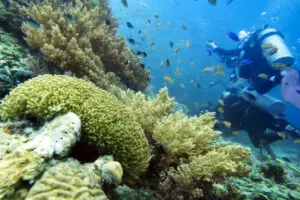
The dive sites around Panglao are a classic example of this. Legendary spots like the Balicasag Island Marine Sanctuary boast a rich ecosystem that supports an incredible diversity of sea life, jellyfish included. Just one look at photos of the Balicasag Island reef and you’ll understand why the area is so teeming with life.
Why Expert Guidance Is Key
This is where a professional dive operator really shows their worth. Diving with a safe and fun company like Valm Divers in Panglao isn't just about getting in the water; it's about being led by people who know these seas inside and out. Their team lives and breathes these seasonal patterns and can take you straight to the sites where black jellyfish are most commonly found.
On top of that, Panglao’s crystal-clear waters and varied dive sites make it an incredible place to train as a scuba diving professional. Learning in such a vibrant marine environment under seasoned instructors builds skills and confidence that will stick with you for your entire diving career. With the right guide, your hunt for the black jellyfish can be more than just a thrilling dive—it can be a fantastic learning experience too.
What’s the Deal with All These Jellyfish? Understanding Blooms
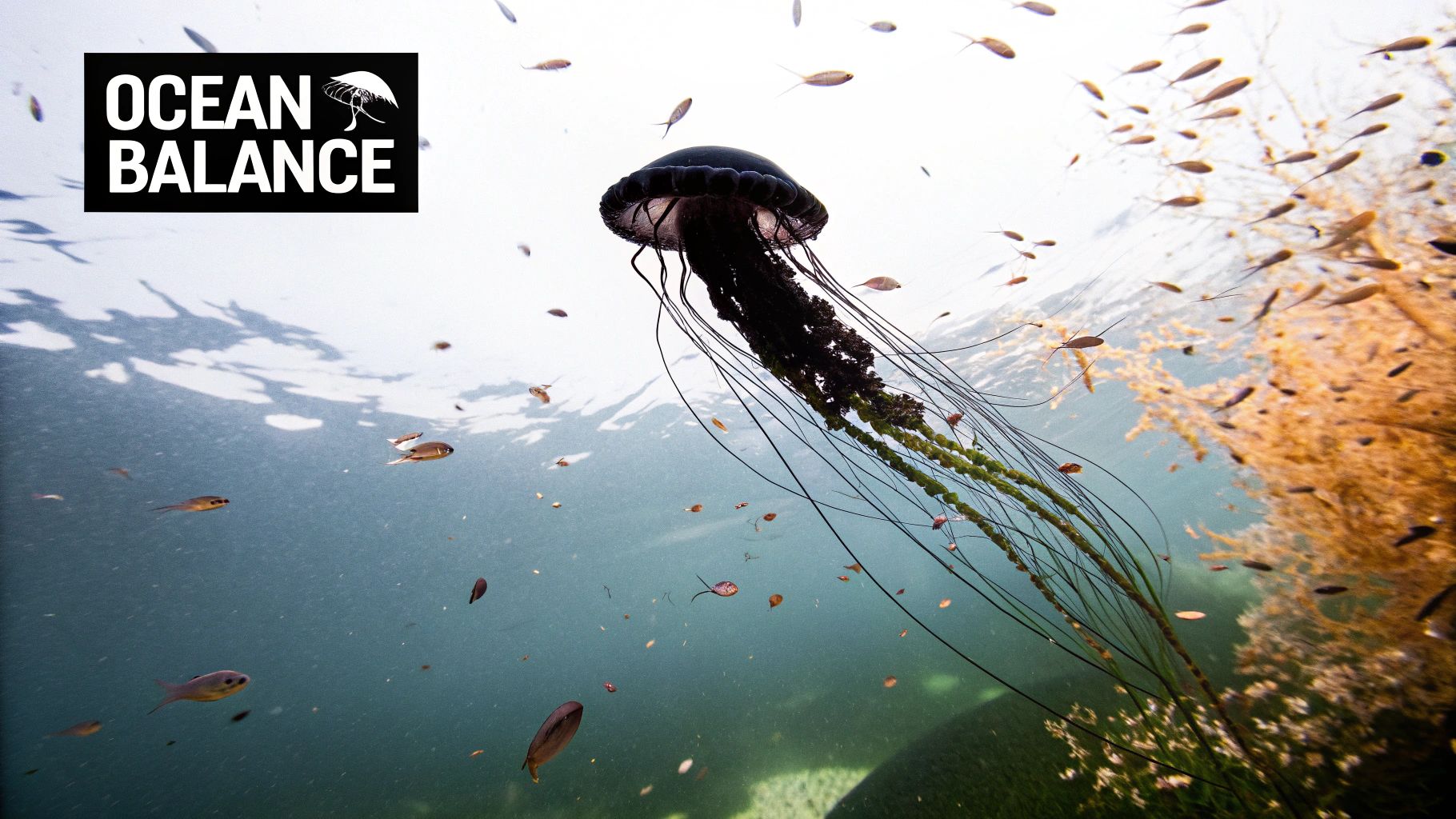
Stumbling into a massive swarm of jellyfish, what scientists call a 'bloom,' can be a bit startling, even for seasoned divers. But these events aren't random; they're a natural, vital sign of what’s happening in the ocean. Jellyfish are like the ocean's pulse, playing a crucial role as both predator and prey. They keep plankton populations in check and, in turn, become a meal for bigger marine life like sea turtles.
Understanding why these blooms happen gives us a clearer picture of the delicate balance beneath the waves. They're often kicked off by specific environmental cues, such as rising sea temperatures or a sudden increase in nutrients from coastal runoff. When the conditions are just right, their populations can explode, creating the dense, mesmerizing swarms we see.
Why Do Jellyfish Blooms Happen?
Think of a jellyfish bloom like a field of wildflowers suddenly bursting into life after the perfect mix of rain and sun. For jellyfish, their version of "rain and sun" is warmer water and a ton of food. These ideal conditions put their life cycle into overdrive, leading to a massive population boom in a surprisingly short amount of time.
Here in the Philippines, these blooms are a big deal, both for the environment and for the people living along the coast. Research shows that certain species are thriving in Philippine waters, often because of environmental triggers made worse by climate change and pollution. If you're curious about the bigger picture, this guide to jellyfish in the Western Pacific offers some great insights.
The Ripple Effect on Coastal Communities
These sudden jellyfish invasions have a real impact on the communities that rely on the sea. For local fisherfolk, a massive bloom can be a double-edged sword. On one hand, some jellyfish species can be harvested and sold. On the other, huge swarms can clog up fishing nets and bring a day's work to a grinding halt.
Tourism, which is the heart and soul of many coastal towns, can feel the pinch too. A bay full of jellyfish can make swimmers and beachgoers a little hesitant, which is why education and responsible eco-tourism are so important.
This is where having a professional guide makes all the difference. Understanding blooms isn’t just for marine biologists; it's practical knowledge for us divers. Knowing how to safely and respectfully navigate these natural events turns what could be an intimidating experience into a fascinating lesson in ecology.
When you're diving in beautiful Panglao with a safe and fun company like Valm Divers, you’re not just getting in the water; you’re diving with experts who can explain what you're seeing. Their guides give you the context to truly appreciate these phenomena, making your dive not just fun, but educational too. For anyone looking to train as a scuba diving professional, learning about these ecological events is a massive part of becoming a true expert, and there’s no better place to get that hands-on knowledge.
Essential Safety for Diving With Jellyfish
Knowing what to expect is the key to an incredible dive. Seeing a black jellyfish in the Philippines is almost always a low-risk, awe-inspiring moment, but a little preparation goes a long way in making you feel confident and safe in the water. The number one rule is simple: look, but don’t touch.
With the right mindset, any jellyfish encounter is just another beautiful part of the dive. While there isn't much specific data on stings from black jellyfish in the country, it's always smart to treat all marine life with a healthy dose of respect. After all, harmful stings are a known issue across the Western Pacific, and different species pack different punches. For a deeper dive, this management guide for harmful jellyfish stings offers some excellent insights.
Your Pre-Dive Safety Checklist
Before you even get your feet wet, a few easy steps can make a world of difference. Think of it as setting yourself up for success. This kind of preparation is exactly what you learn during your dive training.
Wear Protective Gear: A full-length wetsuit or even a simple rash guard is your best friend. It puts a physical barrier between your skin and any stray tentacles you might not spot.
Listen to Your Briefing: Pay close attention to what your divemaster says. They’ll have the most current info on local conditions, including any recent jellyfish sightings.
Check Your Buoyancy: Nailing your buoyancy control is crucial. It lets you hover effortlessly in the water, so you won’t accidentally drift into anything below or beside you.
Golden Rules for Being in the Water
Once you're down in the stunning waters of Panglao, how you act is everything. Moving calmly and respectfully keeps you safe and leaves the marine life undisturbed. This is where diving with a safe and fun company like Valm Divers really shines; their pros lead by example, showing you how to be a courteous guest underwater.
Always keep a respectful distance, and make your movements slow and deliberate. Quick, jerky actions can stir up the water and startle the very creatures you came to see. Your goal is to be a passive observer, letting the underwater world carry on as if you’re not even there.
Remember, you are a visitor in their home. The goal is to leave no trace and take only memories, ensuring the ecosystem remains pristine for future generations of divers and marine life alike.
What to Do If You Get Stung
Even with the best precautions, accidents can happen. If one does, it's vital to know the right first-aid steps and to steer clear of old myths.
Exit the Water Calmly: Let your dive buddy or guide know, and make a safe, controlled exit from the water.
Rinse with Seawater: Gently rinse the sting with seawater—never fresh water—to wash away any remaining stinging cells without activating them.
Remove Tentacles: If you can see any bits of tentacle left, carefully lift them off with tweezers or the edge of a credit card. Don't use your bare hands!
Apply Heat: Soaking the affected area in hot water (as hot as you can stand without burning yourself) for 20-45 minutes is the most effective way to neutralise the venom.
This kind of practical knowledge is a cornerstone of becoming a confident, self-sufficient diver. If experiences like this inspire you to take your skills to the next level, Panglao is a beautiful and ideal place to train as a scuba diving professional. You can see just what the training and fun dives available here look like.
Why Panglao with Valm Divers Is Your Ideal Choice
Finding the right dive operator can make or break your trip, especially when you're hoping to witness something as special as the black jellyfish in the Philippines. This is where Valm Divers, right in the heart of gorgeous Panglao, really shines. Their whole approach is built around making sure every diver feels safe, supported, and has an absolute blast.
When you dive with Valm Divers, you're not just another tourist following a guide. You're out there with a true local expert. Their divemasters have spent years in these waters and know the marine life like the back of their hand. This kind of deep, local knowledge is priceless when you’re looking for a responsible and successful jellyfish encounter.
A Focus on Safe, Memorable Dives
The crew's commitment to safety and education is rock-solid, meaning every dive is as secure as it is exciting. They’ve created a genuinely welcoming vibe that helps divers of any skill level, from fresh-faced beginners to seasoned pros, feel completely at ease. This is why they've earned a reputation as a safe and fun company.
When your guide can read the ocean and puts your well-being first, you can finally relax and just soak it all in. That peace of mind is what turns a good dive into a magical one.
This incredible support system is a huge part of what makes Panglao such a world-class diving spot. The healthy reefs and crystal-clear waters are the perfect stage for any underwater adventure. You can see for yourself what awaits in the Panglao marine sanctuary.
The Perfect Place to Go Pro
And if you feel the pull to make the ocean your office? The journey doesn't have to end with a holiday dive. Valm Divers is also a top-tier training centre for those looking to become dive professionals. If you've ever dreamt of trading your desk for a dive slate, this is also a good place to train as a scuba diving professional.
You’ll be learning and growing your skills in one of the most beautiful underwater classrooms on earth. So, whether it's for one unforgettable dive or the start of a whole new life, your adventure begins right here in stunning Panglao.
Got Questions? We've Got Answers
Diving into the waters of the Philippines, especially when you know fascinating creatures like black jellyfish are around, naturally brings up a few questions. Let's tackle some of the most common ones so you can feel confident and ready for your next underwater adventure.
Are the Black Jellyfish in the Philippines Dangerous?
It's a mixed bag. While some jellyfish carry a powerful sting, not every species you'll encounter in the Philippines poses a serious threat. The thing is, sting potency can vary wildly, and so can a person's reaction to it.
The simplest, safest rule of thumb? Keep a respectful distance and avoid touching any jellyfish. This is exactly why diving with an experienced local guide is so important. When you’re with a safe and fun company like Valm Divers, you have an expert by your side who knows the local marine life inside and out and always puts your safety first.
When Is the Best Time to Dive in Panglao?
Good news – the stunning island of Panglao is a year-round diving hotspot. For the calmest seas and gin-clear visibility, the dry season from November to May is usually your best bet.
That said, jellyfish populations can ebb and flow with things like water temperature, often becoming more numerous in the warmer months. Your dive operator will always be your best source for up-to-the-minute info on what’s happening beneath the surface.
This is where deep local knowledge really pays off. A great dive centre can adjust the day's plan to make sure you have an incredible experience, whether the goal is to spot jellyfish or explore a pristine coral garden.
Can I Get My Professional Dive Training in the Philippines?
You absolutely can! The Philippines, particularly a world-class hub like Panglao, is a phenomenal place to go pro. The mix of mind-blowing biodiversity, warm waters, and top-tier instruction creates the perfect training ground.
Many divers choose this as a good place to train as a scuba diving professional. Dive centres such as Valm Divers offer the full spectrum of courses, from your very first bubbles all the way to Divemaster and Instructor, giving you a supportive and inspiring environment to kickstart a career in diving.
Ready to see the underwater wonders of Panglao for yourself? Whether it's for a single fun dive or the first step in your professional journey, Valm Divers is here to make it safe, fun, and unforgettable. Book your dive today!
We are the premier boutique dive shop located right on the stunning Alona Beach in Panglao, Bohol, offering fun-dives, trips, and excursions as well as SSI scuba dive courses from introductory and novice levels up to professional level divemaster and instructor.