7 Destinations for the Best Scuba Diving Philippines in 2025
Published: September 8, 2025
The Philippines, an archipelago of over 7,600 islands, sits at the epicentre of the Coral Triangle, boasting some of the planet's most vibrant marine biodiversity. This makes finding the best scuba diving in the Philippines an exciting challenge, with countless world-class sites catering to every skill level. From the pristine, protected walls of Tubbataha Reefs Natural Park to the legendary thresher shark encounters in Malapascua, the underwater landscapes are as diverse as they are breathtaking. This guide cuts through the noise to highlight seven must-visit destinations for your next dive adventure.
We will explore the unique marine life, optimal diving seasons, and essential logistical details for each location. You’ll discover why places like beautiful Panglao are not just incredible dive spots but also ideal training grounds for those looking to become dive professionals. For instance, operators such as Valm Divers in Panglao have built a strong reputation for providing safe, fun, and comprehensive training, from beginner certifications to advanced technical courses. Whether you're planning your first open-water dive or seeking a new underwater challenge, this curated list provides the actionable insights needed to organise an unforgettable Philippine diving holiday.
1. Palawan – Tubbataha Reefs Natural Park
Widely considered the pinnacle of Philippine diving, Tubbataha Reefs Natural Park is an isolated sanctuary located in the middle of the Sulu Sea, 150 kilometres southeast of Puerto Princesa. This UNESCO World Heritage Site is a pristine, protected area consisting of two enormous coral atolls, North and South Atoll, and the smaller Jessie Beazley Reef. Its remote location means it is only accessible via liveaboard boats, preserving its unique and untouched ecosystem. This exclusivity makes it a bucket-list destination for serious divers seeking some of the best scuba diving the Philippines has to offer.
Why It's a Top Dive Destination
Tubbataha’s reefs are a vibrant explosion of life, boasting sheer walls that drop into the abyss, covered in immense gorgonian sea fans, soft corals, and barrel sponges. The park is a critical habitat for a vast array of marine species, functioning as a nursery for fish stocks that populate the entire Sulu-Sulawesi Triangle. Divers are often treated to encounters with large pelagics, including whale sharks, manta rays, and various species of sharks.
Key Dive Sites Include:
Shark Airport: Aptly named, this cleaning station on the North Atoll is a reliable spot to witness whitetip and grey reef sharks congregating.
Delsan Wreck: A purposefully sunk vessel that now serves as a thriving artificial reef, attracting schools of fish and a diversity of coral life.
Malayan Wreck: An intriguing World War II-era wreck that offers a glimpse into history while being beautifully colonised by marine life.
Planning Your Tubbataha Trip
Due to its protected status and challenging conditions, diving in Tubbataha requires careful planning. The dive season is short, running only from mid-March to mid-June when sea conditions are calmest.
Expert Tip: Liveaboard trips for Tubbataha's short season are in high demand. It is crucial to book your spot at least six to twelve months in advance to secure a place with a reputable operator.
For a quick reference, here's a snapshot of what makes Tubbataha's ecosystem so remarkable.
The incredible density of coral and fish species, combined with consistently clear waters, solidifies its status as a world-class diving location. Ensure you have at least an Advanced Open Water certification, as many dives involve deep walls and potential currents. Packing reef-safe sunscreen is also mandatory to protect the delicate coral ecosystem.
2. Bohol – Panglao Island and Balicasag Island
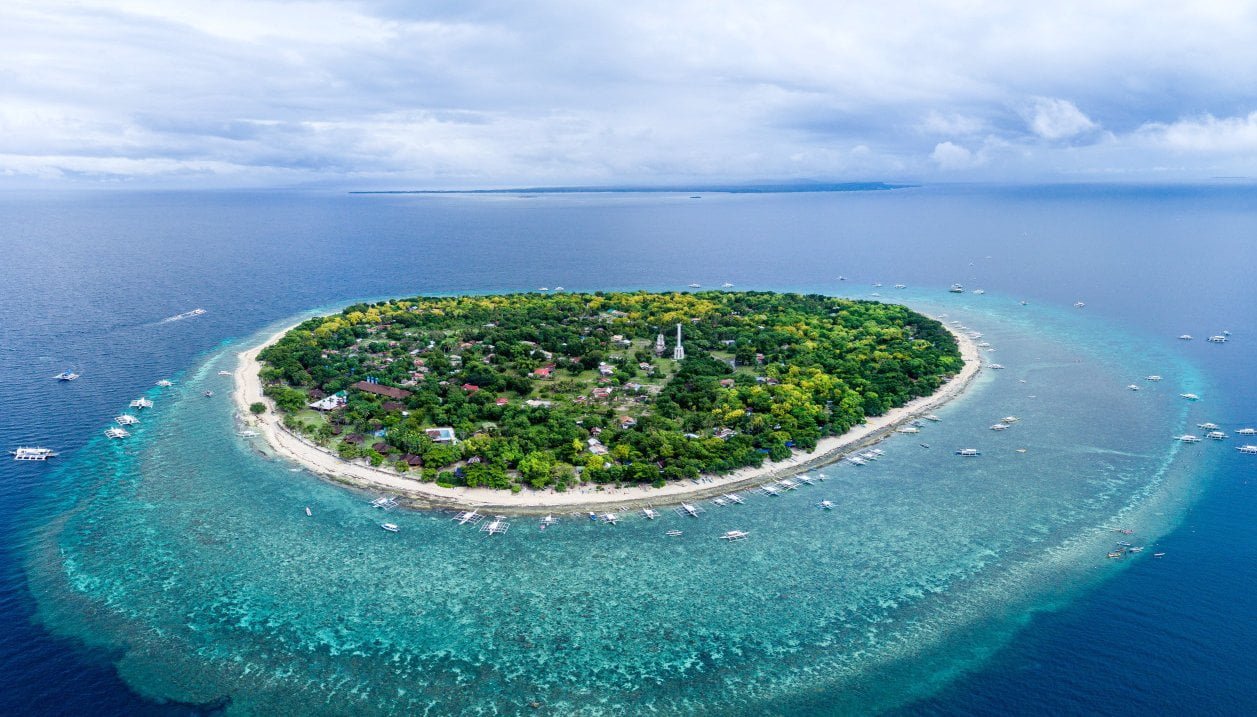
A jewel in the Central Visayas region, Bohol offers an incredible diversity of underwater experiences, making it a cornerstone of the best scuba diving the Philippines has to offer. The exceptionally beautiful Panglao Island serves as the central hub for divers, providing easy access to a wealth of sites that range from gentle, sloping coral gardens perfect for beginners to dramatic vertical walls for the more experienced. Just a short boat ride away, the world-renowned Balicasag Island Marine Sanctuary awaits, famous for its staggering marine biodiversity and encounters with large pelagic species.
Why It's a Top Dive Destination
Bohol’s underwater landscape is as varied as it is vibrant. Divers can explore everything from pristine coral reefs teeming with macro life to thrilling drift dives alongside sea turtles and schooling fish. Balicasag Island, in particular, is a protected sanctuary where marine life thrives, offering jaw-dropping sights like swirling tornadoes of jackfish and massive schools of barracuda. The combination of accessible shore dives and world-class boat diving makes Panglao a perfect destination for divers of all levels, from those taking their first breaths underwater to seasoned professionals.
Key Dive Sites Include:
Balicasag Island Marine Sanctuary: Famous for its "Black Forest" of black corals and reliable sightings of turtles, jackfish tornadoes, and barracuda schools.
Arco Point: Known as "Hole in the Wall," this site features a thrilling swim-through tunnel that opens onto a vibrant reef teeming with colourful fish.
Doljo Point: A spectacular wall dive that is also a prime location for night diving, where you can spot the elusive and colourful mandarin fish during their mating ritual.
Planning Your Bohol Trip
The best time to visit Bohol for diving is during the dry season, from November to May, when the seas are calm and visibility is at its peak. Panglao’s well-developed tourist infrastructure makes it an easy and convenient base for your diving holiday.
Expert Tip: For a safe, fun, and professional experience, consider diving with a reputable local operator like Valm Divers. They are also an excellent choice for those looking to advance their skills or even train to become a scuba diving professional in a stunning tropical setting.
The area is also a photographer’s dream. Don’t forget to pack a macro lens to capture the incredible diversity of nudibranchs and other small critters hiding in the reefs. Beyond diving, you can book early morning tours to see dolphins or take a day trip inland to witness the iconic Chocolate Hills. See the stunning marine life in a picture of Balicasag's underwater world. This combination of world-class diving and topside attractions solidifies Bohol's place on any diver's must-visit list.
3. Batangas – Anilao and Batangas Bay
Often hailed as the birthplace of scuba diving in the Philippines, Anilao in Batangas is a world-class destination conveniently located just a two-to-three-hour drive from Manila. This accessibility makes it a magnet for both local and international divers. Anilao is globally renowned for its phenomenal macro photography opportunities and is considered the "Nudibranch Capital of the World," offering an unparalleled variety of rare and fascinating critters across more than 40 dive sites. Its rich biodiversity and varied underwater landscapes secure its spot as a premier location for some of the best scuba diving the Philippines has to offer.
Why It's a Top Dive Destination
Anilao's underwater environment is a treasure trove for macro enthusiasts and underwater photographers. The volcanic "muck" or sandy bottoms are home to an incredible array of bizarre and beautiful creatures, from flamboyant cuttlefish and mimic octopuses to hairy frogfish and countless species of colourful nudibranchs. Beyond the muck, the area also features vibrant coral gardens, impressive walls, and pinnacles teeming with reef fish, offering something for every type of diver. The sheer density and diversity of marine life here are staggering.
Key Dive Sites Include:
Cathedral Rock: A famous site featuring a small underwater grotto with a cross, blessed by Pope John Paul II. It is a bustling habitat for schools of damsels, angelfish, and butterflyfish.
Sombrero Island: Named for its hat-like shape, this site offers excellent wall diving with healthy corals, sea fans, and chances to spot turtles and reef sharks.
Secret Bay (Mainit): A world-famous muck diving site where patient divers are rewarded with sightings of rare critters like bobbit worms, ambon scorpionfish, and various ghost pipefish.
Planning Your Anilao Trip
Anilao is diveable year-round, but the best conditions are typically from November to May. Its proximity to Manila makes it a popular weekend getaway, so visiting on weekdays is advisable to avoid the crowds. A macro lens and a good underwater torch or flash are essential gear to fully appreciate the tiny wonders hidden in the sand.
Expert Tip: To truly explore Anilao's diverse offerings, book with a reputable local dive shop. Experienced guides are crucial for spotting the well-camouflaged critters that make this destination so special. A multi-day stay is highly recommended to experience a wider variety of its unique dive sites.
4. Donsol, Sorsogon – Whale Shark Capital
Known internationally as the “Whale Shark Capital of the World,” Donsol offers one of the most ethical and natural encounters with these gentle giants. This quiet fishing town in Sorsogon transformed into a premier eco-tourism hub, where interactions are community-led and focus on conservation. Unlike other destinations where whale sharks are baited, the butanding (as they are locally known) arrive here naturally to feed on the abundant plankton in the Donsol River mouth and surrounding waters. This makes it a truly special and sustainable choice for wildlife enthusiasts.
Why It's a Top Dive Destination
Donsol provides a unique model of community-based tourism, ensuring that whale shark encounters are managed responsibly. The primary activity here is snorkelling, as scuba diving with the whale sharks in the bay is not permitted to minimise disturbance. However, for certified divers, the nearby Ticao Pass offers exhilarating drift dives with strong currents, attracting not only whale sharks but also manta rays, hammerheads, and thresher sharks. The combination of ethical snorkelling and advanced drift diving makes Donsol a comprehensive destination for marine megafauna.
Key Dive Sites Include:
Manta Bowl (Ticao Pass): A legendary cleaning and feeding station for oceanic manta rays, this site is a magnet for large pelagics due to its powerful currents.
San Miguel Island: Features colourful coral gardens, walls, and a variety of macro life, offering a calmer dive experience compared to Manta Bowl.
Ticao Pass: Known for challenging drift dives along its nutrient-rich channels, where divers have a high chance of spotting whale sharks and other sharks in deeper waters.
Planning Your Donsol Trip
The whale shark season in Donsol typically runs from November to June, peaking between February and May when sightings are most frequent. All interactions are regulated by the local tourism office and must be accompanied by a certified Whale Shark Interaction Officer (BIO).
Expert Tip: Book your trip with operators accredited by the WWF to ensure your tourism money supports local conservation efforts. Always adhere to the strict interaction guidelines, such as maintaining a 3-metre distance and not using flash photography, to protect the animals and their habitat.
To get the full Donsol experience, it’s best to combine the snorkelling trips in the bay with more advanced dives in Ticao Pass. This allows you to witness the area’s full marine biodiversity. Remember to pack your own well-fitting mask and snorkel for comfort, and bring reef-safe sunscreen to protect the local environment.
5. Moalboal, Cebu – Sardine Run and Turtle Encounters
Moalboal has firmly established itself as one of the Philippines' most iconic diving destinations, famed for its mind-boggling sardine run and thriving sea turtle population. Situated on the southwestern coast of Cebu, this once-sleepy fishing town provides some of the most accessible and reliable big-animal encounters in the country. Just metres from Panagsama Beach, millions of sardines form colossal, shimmering bait balls, creating a mesmerising spectacle for divers and freedivers alike.
Why It's a Top Dive Destination
The main draw is undoubtedly the year-round sardine run, a massive shoal that moves and morphs in hypnotic patterns, often pursued by hungry jacks and tuna. Beyond the sardines, Moalboal's reef walls are teeming with healthy corals and an abundance of macro life. The area is also a sanctuary for green and hawksbill turtles, which are frequently seen grazing peacefully on the reef flats, offering incredible photo opportunities. This unique combination of pelagic action and healthy reef systems makes Moalboal a key destination for anyone seeking the best scuba diving the Philippines has to offer.
Key Dive Sites Include:
Pescador Island: A protected marine park featuring a stunning wall dive with a cavern known as "The Cathedral," teeming with frogfish, nudibranchs, and schools of reef fish.
Turtle Point: Located directly off Panagsama Beach, this site guarantees encounters with numerous sea turtles resting and feeding in the shallows.
Sardine Run: The world-famous spectacle right off the main beach, where you can swim through swirling clouds of millions of sardines.
Planning Your Moalboal Trip
Moalboal is an excellent year-round destination, though the dry season from November to May typically offers the best visibility and calmest seas. Its accessibility from Cebu City makes it a convenient option for divers of all levels, from beginners to seasoned professionals.
Expert Tip: For the most dramatic experience with the sardine run, plan your dive for the early morning. You'll enjoy better visibility and fewer crowds, allowing you to witness the bait ball in its most dynamic state.
For divers looking to advance their skills, the Philippines is an ideal training ground. Operators like Valm Divers, based in beautiful Panglao, exemplify the high standards of safety and fun found in the country's dive industry. Their focus on professional training makes them a great choice for those aspiring to become divemasters or instructors in a supportive environment. Always remember to respect marine life by maintaining a safe distance, especially from the turtles.
6. Siargao – Cloud 9 and Surrounding Waters
Primarily celebrated for its world-class surf break, Cloud 9, Siargao has rapidly gained recognition as a formidable diving destination. Located in Surigao del Norte, this teardrop-shaped island offers more than just perfect waves. Beneath the surface lies a surprisingly pristine and diverse marine ecosystem, featuring vibrant coral reefs, dramatic underwater topography, and a laid-back atmosphere that sets it apart from more crowded dive hubs. This blend of thrilling surf and serene underwater exploration makes Siargao a unique and compelling choice for adventurous travellers.
Why It's a Top Dive Destination
Siargao's appeal lies in its relatively untouched dive sites and excellent visibility, which often exceeds 30 metres. The surrounding waters are home to a network of healthy reefs, submerged rock formations, and small islands that create varied underwater landscapes. Divers can explore gentle coral gardens teeming with colourful reef fish or challenge themselves with deeper wall dives where pelagic species are often spotted. The island’s burgeoning dive scene means many sites remain uncrowded, offering a more personal and exploratory experience.
Key Dive Sites Include:
Daku Island: Famous for its sprawling, shallow coral gardens, Daku is perfect for all diver levels and is bursting with a high diversity of reef fish and macro life.
Naked Island: This site offers exciting wall diving opportunities where divers can encounter larger marine life like tuna, jacks, and occasionally reef sharks patrolling the deep blue.
Magpupungko Rock Pools: A unique dive experience, these tidal pools offer a shallow, aquarium-like environment for snorkelling and beginner dives when conditions are right.
Planning Your Siargao Trip
The best time to dive in Siargao is during the dry season, from March to October, when the seas are calmest and visibility is at its peak. While the island is known for its surf, this period offers the ideal conditions for exploring its underwater treasures.
Expert Tip: To get the full Siargao experience, combine your dive trip with a surfing lesson. On days when dive conditions are not optimal, catching a wave at one of the island's many surf spots is a fantastic alternative.
Siargao's dual-sport appeal makes it an incredible destination for those seeking variety. Be sure to book accommodations well in advance, especially during the peak surf and dive seasons, as the island's popularity continues to grow. For divers with their own advanced equipment, bringing it along is recommended to ensure comfort and familiarity on more challenging dives. Exploring the numerous smaller islands around Siargao will provide the most varied and rewarding underwater adventures.
7. Malapascua, Cebu – Thresher Shark Capital
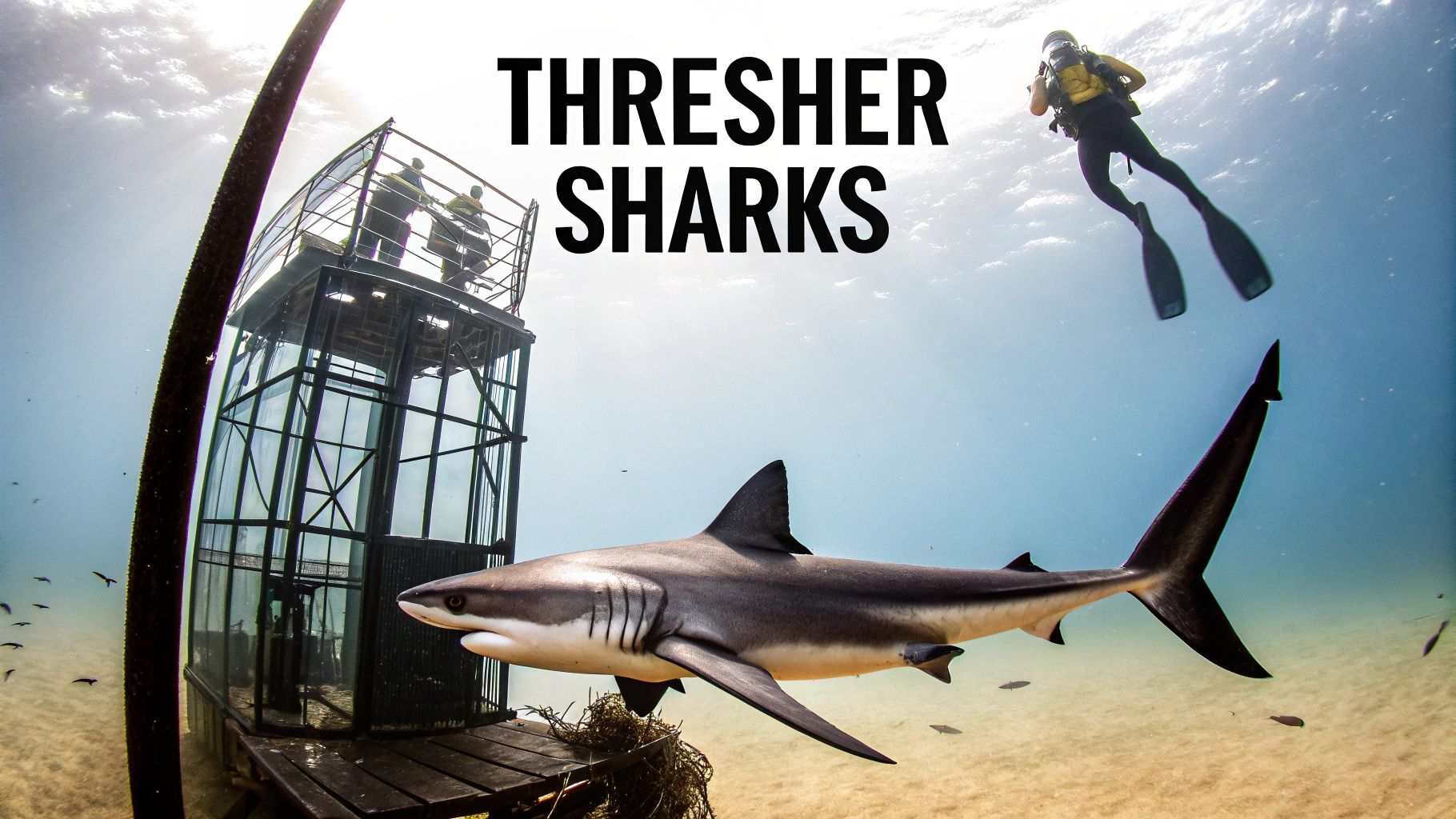
Malapascua Island has cemented its global reputation as the Thresher Shark Capital of the world. Located just off the northern tip of Cebu, this tiny, idyllic island offers a unique and unparalleled diving experience. It is the only place on the planet where recreational divers can consistently encounter the elusive pelagic thresher shark, known for its distinctively long, whip-like tail. This incredible reliability has made Malapascua a legendary destination, drawing underwater enthusiasts and photographers who are eager to witness one of the ocean's most graceful predators.
Why It's a Top Dive Destination
The island’s fame revolves around Monad Shoal, a submerged seamount that acts as a natural cleaning station. Every morning before sunrise, thresher sharks ascend from the deep to have parasites removed by cleaner wrasse. Witnessing this symbiotic ritual against the backdrop of the deep blue is a truly unforgettable experience. Beyond the sharks, Malapascua’s dive portfolio is surprisingly diverse, offering everything from vibrant coral gardens and dramatic walls to fascinating muck diving and occasional encounters with other large species.
Key Dive Sites Include:
Monad Shoal: The world-famous thresher shark cleaning station. Dives here require a pre-dawn start to catch the sharks during their peak activity.
Kimud Shoal: A deeper seamount where lucky divers might spot schooling hammerhead sharks during the cooler months, as well as manta rays.
Lighthouse Reef: A fantastic sunset dive where you can observe the mesmerising mating dance of colourful mandarinfish among healthy coral gardens.
Planning Your Malapascua Trip
To make the most of your trip, it’s essential to plan for the very early morning departures to Monad Shoal. These dives are the main event, and operators schedule them to coincide with the sharks' arrival. The boat ride to the shoal can sometimes be choppy, so it's wise to be prepared.
Expert Tip: Thresher shark dives are extremely popular and boat slots are limited. Book your dives, especially for Monad Shoal, well in advance with a reputable dive centre to guarantee your spot.
Malapascua’s unique offerings make it a key stop for anyone serious about experiencing the best scuba diving the Philippines has to offer. An Advanced Open Water certification is recommended for Monad Shoal, as the viewing area sits at around 30 metres. Respect for the sharks is paramount; follow your dive guide's instructions closely and adhere to marine life photography guidelines to ensure these encounters remain sustainable for years to come.
Top 7 Scuba Diving Spots in the Philippines Comparison
Destination
Implementation Complexity 🔄
Resource Requirements ⚡
Expected Outcomes 📊
Ideal Use Cases 💡
Key Advantages ⭐
Palawan – Tubbataha Reefs Natural Park
High – liveaboard only, advanced skills needed
High cost ($1,500-2,500), advanced equipment
World-class biodiversity, large pelagic encounters, excellent visibility
Expert divers seeking pristine, remote reefs
Minimal human impact, rich marine life
Bohol – Panglao & Balicasag Islands
Low to Moderate – shore or boat diving, varied skill levels
Moderate cost ($30-50/dive), easy shore access
Diverse ecosystems, year-round diving, good macro and pelagic spotting
World’s only reliable thresher shark sightings year-round
Advanced divers looking for unique species
Unique thresher shark encounters, professional operators
Your Next Dive Awaits in the Philippines
The Philippine archipelago, with its more than 7,600 islands, is not just a destination; it's a world-class underwater odyssey waiting to be explored. We've journeyed through some of the most spectacular dive regions, each offering a unique window into the planet's richest marine biodiversity. From the pristine, untouched reefs of Tubbataha Natural Park in Palawan to the adrenaline-pumping thresher shark encounters in Malapascua, the options are as deep and varied as the ocean itself.
This incredible diversity is what truly defines the best scuba diving in the Philippines. Whether you're a macro photography enthusiast captivated by the weird and wonderful critters of Anilao, a pelagic lover hoping to swim alongside gentle whale sharks in Donsol, or an adventurer ready to plunge into the famous sardine ball in Moalboal, this country delivers unforgettable experiences. Each island tells a different story, written in coral gardens, dramatic drop-offs, and thrilling currents. The sheer variety ensures that from your very first dive to your hundredth, there is always something new and exciting to discover.
Finding Your Perfect Underwater Classroom
For many, the journey into the blue is not just about fun dives; it's a path of learning and professional growth. The Philippines provides an ideal setting for this, with calm, warm waters and dive sites suitable for every level of training. If you are looking to take that next step, whether it’s your Open Water certification or a professional-level course like Divemaster, choosing the right location and operator is paramount.
This is where a destination like Panglao in Bohol truly shines. It’s more than just a gateway to the famous walls of Balicasag; its beautiful landscapes and vibrant local culture create an inspiring environment for learning. It's a place where you can refine your skills against a backdrop of stunning scenery, supported by a community passionate about the ocean.
Why Panglao and Valm Divers Stand Out
Among the many incredible options, Panglao offers a perfect blend of accessibility, world-class diving, and top-tier training facilities. It’s a location that captures the essence of Philippine diving: vibrant reefs, abundant marine life, and the warm, welcoming spirit of its people.
For divers seeking an operator that embodies this spirit, Valm Divers is a standout choice. Their ethos is built on a foundation of safety, professionalism, and genuine fun. They understand that a great dive is more than just what you see; it's about feeling confident, supported, and connected to the experience. Their experienced instructors are not only experts in navigating the local waters but are also dedicated mentors for those aspiring to become dive professionals. They foster an environment where learning is engaging, thorough, and, most importantly, incredibly enjoyable, making them a fantastic hub for anyone looking to build a career in the scuba industry.
Ready to experience the heart of Philippine diving? Whether you’re planning your next holiday or taking the first step towards a professional career, explore the world-class dive sites of Bohol with Valm Divers. Visit their website to book your adventure or learn more about their professional courses. Valm Divers
We are the premier boutique dive shop located right on the stunning Alona Beach in Panglao, Bohol, offering fun-dives, trips, and excursions as well as SSI scuba dive courses from introductory and novice levels up to professional level divemaster and instructor.