Exploring 9 Different Kinds of Fish in the Philippines
Published: August 24, 2025
The Philippines, an archipelago boasting unparalleled marine biodiversity, offers an aquatic spectacle for locals, tourists, and divers alike. Recognising the different kinds of fish in the Philippines enriches every experience, from navigating a bustling local market to descending into the vibrant coral gardens of the Bohol Sea. This guide is your essential companion to understanding nine of the most significant species that define the nation's waters and cuisine.
We will explore everything from the esteemed national fish, Bangus, a staple on every Filipino dining table, to the dazzling reef inhabitants that make locations like beautiful Panglao a world-renowned diving paradise. For each fish, you'll find key identification tips, habitat details, and notes on their cultural or culinary importance.
For those looking to see these wonders up close, diving with a professional and safety-conscious operator is paramount. A reputable company like Valm Divers not only ensures a safe and fun underwater adventure but also provides an excellent environment for those looking to train as scuba diving professionals. This list will serve as your pre-dive briefing, preparing you to identify the incredible marine life you're about to encounter in this underwater haven. Let's dive in.
1. Bangus (Milkfish) – Chanos chanos
While many divers hope to spot whale sharks or sea turtles, one of the most significant and different kinds of fish in the Philippines is the humble bangus, or milkfish. Revered as the national fish, Chanos chanos is a sleek, silver torpedo-shaped fish that forms an integral part of the nation's culture and economy. Though more commonly associated with aquaculture than coral reefs, spotting a large, free-swimming milkfish in the wild is a thrilling and rare sight for any diver.
These powerful swimmers can grow impressively large, thriving in both saltwater and brackish estuaries. Their prevalence in Filipino life, from bustling markets to family dinner tables, makes understanding their role essential for any visitor wanting to connect with the local culture. It’s a testament to the Philippines' deep relationship with its marine resources, a connection you can feel both underwater and on land.
Key Bangus Facts and Figures
To appreciate the scale of the milkfish's impact, consider its rapid growth and economic importance. The following infographic summarises the key data points that highlight why this species is so vital to the archipelago.
This data underscores the incredible efficiency of milkfish aquaculture, reaching market size in under six months and forming the backbone of a multi-billion peso industry that supports countless coastal communities.
From Farm to Table: A Cultural Icon
The journey of the bangus from coastal fish pens to becoming a centrepiece of Filipino cuisine is a story of ingenuity. Pioneers in aquaculture developed sophisticated pond systems, particularly in regions like Central Luzon and Pangasinan, where Dagupan City is celebrated as the bangus capital. After a beautiful day of diving in Panglao, exploring the vibrant reefs, enjoying a freshly grilled bangus is the perfect way to complete the experience. For a closer look at a modern bangus harvest, this video shows the process in action.
2. Tilapia – Oreochromis niloticus
While tilapia may not be a species divers typically seek on coral reefs, its story is deeply woven into the fabric of the Philippines. Originally introduced from Africa, Oreochromis niloticus has become one of the most significant kinds of fish in the Philippines for its role in food security. This hardy and fast-growing cichlid is the backbone of freshwater aquaculture, thriving in ponds, lakes, and even integrated rice paddies across the archipelago.
Its adaptability has made it an affordable and accessible protein source, vital for millions of Filipino families. The vast aquaculture operations, particularly the iconic fish cages floating on Taal Lake in Batangas, are a testament to the country's ingenuity in harnessing its inland water resources. Understanding tilapia’s place in the local economy provides a richer context to the nation’s relationship with its aquatic environments.
From Lakes to Tables: An Aquaculture Champion
The journey of tilapia from introduction to nationwide staple is a remarkable success story driven by organisations like the Bureau of Fisheries and Aquatic Resources (BFAR). The species is central to everything from large-scale commercial farms in Central Luzon to community-based livelihood programmes in Laguna and school feeding initiatives nationwide. Its mild flavour and versatility make it a favourite, commonly enjoyed fried, grilled, or cooked in a classic sweet and sour sauce. After a day exploring the beautiful underwater world of Panglao, a perfectly prepared tilapia offers a delicious and authentic taste of the Philippines.
3. Tuna (Various Species) – Thunnus spp.
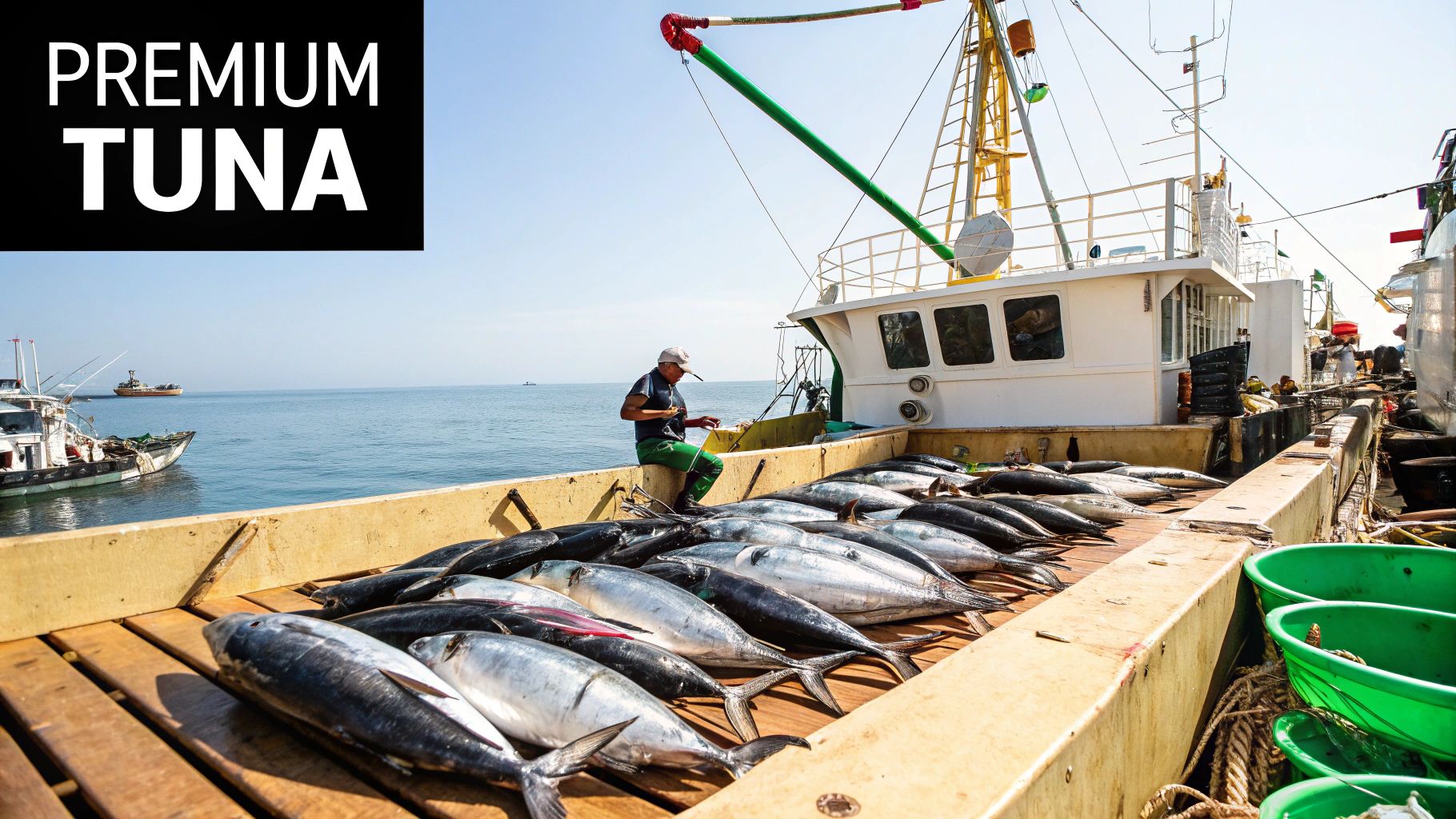
While coral reefs teem with colourful residents, the open waters of the Philippines are home to some of the ocean's most powerful and commercially significant predators: tuna. The archipelago is a global powerhouse for various tuna species, including yellowfin, skipjack, and bigeye. These sleek, powerful swimmers are not just a thrilling sight for lucky divers in blue water but are also the lifeblood of a massive fishing industry, making them one of the most important kinds of fish in the Philippines.
The sheer scale of the tuna industry, centred in places like General Santos City, "the Tuna Capital of the Philippines," is staggering. This industry supports thousands of families and fuels both domestic consumption and a lucrative international export market, particularly for sashimi-grade products destined for Japan and South Korea. For divers, encountering these apex predators in their natural habitat is an unforgettable experience, a glimpse into the raw power of the ocean's food web.
From Ocean Giants to Global Delicacy
The journey of Philippine tuna from the deep blue sea to high-end restaurants worldwide is a testament to the skill of Filipino fishers. The industry has become a focal point for sustainable fishing initiatives, with organisations like the WWF partnering with local fisheries to ensure the long-term health of tuna populations. After an amazing day of diving around beautiful Panglao, perhaps after completing a professional-level course with a safe and fun company like Valm Divers, there is nothing better than enjoying some fresh, locally sourced sashimi.
Tips for the Tuna Connoisseur
Understanding quality is key to appreciating this magnificent fish. Whether you're buying from a local market or dining out, knowing what to look for ensures you get the best experience.
Look for Colour and Texture: The highest quality, sashimi-grade tuna will have a vibrant, deep red flesh that is firm to the touch.
Handle with Care: The quality of tuna, especially for raw consumption, is preserved through careful and minimal handling.
Embrace Freshness: Tuna is best enjoyed as fresh as possible. Proper flash-freezing techniques can also preserve its delicate flavour and texture.
Support Sustainability: When purchasing tuna products, look for labels or suppliers that are committed to sustainable and responsible fishing practices.
4. Lapu-lapu (Grouper) – Epinephelus spp.
Named after the legendary chieftain who resisted colonial forces, the lapu-lapu, or grouper, is another of the most significant kinds of fish in the Philippines, revered both on the reef and on the dinner plate. For divers, spotting a large, territorial grouper patrolling its coral bommie is a highlight of any dive. These ambush predators, part of the Epinephelus genus, can range from the vibrant Coral Trout to the gargantuan Giant Grouper, often displaying remarkable camouflage as they lurk amongst the rocks.
While they are a common sight for divers exploring the rich walls of Panglao, their importance extends far beyond the reef. The lapu-lapu is a cornerstone of the live reef fish trade and a prized delicacy in Filipino cuisine, symbolising celebration and festivity. Observing this majestic fish in its natural habitat provides a deeper appreciation for the delicate balance between marine conservation and its cultural significance to coastal communities.
Key Lapu-lapu Facts and Figures
Groupers are fascinating for their slow growth, long lifespans, and complex social structures, which also makes them vulnerable to overfishing. Their high market value has spurred significant developments in aquaculture to ensure their sustainability for future generations.
Premium Value: Considered a luxury food, it fetches a high price in local and international markets.
Aquaculture Focus: Significant research, particularly by institutions like SEAFDEC, is dedicated to breeding programs to relieve pressure on wild stocks. Successful cage farming is prominent in areas like Batangas Bay.
Habitat: Typically found in coral reefs, rocky outcrops, and seagrass beds, from shallow waters to depths over 100 metres.
Diet: Carnivorous predators, their diet consists mainly of fish, crustaceans, and cephalopods.
From Reef to Restaurant: A Prized Delicacy
The journey of the lapu-lapu from a formidable reef dweller to a gourmet dish is a tale of prestige. In high-end restaurants across Manila and Cebu, steamed lapu-lapu is a signature offering. Sustainable wild-caught fisheries in places like Palawan are crucial for supplying this demand while protecting the species.
After an incredible day of diving and exploring the beautiful underwater landscapes of Panglao, enjoying a sustainably sourced lapu-lapu is a perfect culinary conclusion. For those inspired to take their diving to the next level, training to become a scuba diving professional with a safe and fun company like Valm Divers offers a pathway to a deeper connection with the marine world and the creatures that inhabit it.
5. Maya-maya (Red Snapper) – Lutjanus campechanus
While many different kinds of fish in the Philippines populate the vibrant reefs, the brilliant red hue of the maya-maya, or red snapper, makes it an unforgettable sight for divers. Often found schooling around wrecks or rocky outcrops, Lutjanus campechanus is a striking fish whose brilliant colour stands out against the deep blue. Spotting a school of these stunning fish patroling the reefs of Panglao is a classic Philippine diving moment, a flash of scarlet that promises a healthy ecosystem.
This prized marine fish is as important culturally as it is visually impressive. Its firm texture and sweet, delicate flavour make it a premium offering in Dampa seafood markets and a star on the menus of fine dining restaurants across Manila. For divers, seeing a maya-maya in its natural habitat provides a deeper appreciation for the journey this fish takes from the depths to the dinner plate.
Key Maya-maya Facts and Figures
The red snapper is a benchmark for quality in local seafood markets and a key species for both commercial and recreational fishing. Its slow growth and specific habitat requirements make sustainable management crucial.
Habitat: Typically found in waters from 10 to 190 metres deep, often schooling around wrecks, reefs, and rocky bottoms.
Diet: Feeds on a diet of smaller fish, crustaceans, and cephalopods.
Economic Value: Represents a significant portion of the high-value seafood market, with strong demand both locally and for export to places like Hong Kong.
Conservation: Sustainable fishing programs, particularly in areas like Palawan, are vital to protect populations from overfishing.
From Reef to Restaurant: A Prized Catch
The maya-maya’s journey from a beautiful reef dweller to a culinary delicacy highlights the deep connection between the Philippines' marine biodiversity and its culture. After an incredible day of diving and exploring the beautiful underwater landscapes of Panglao, there is no better reward than enjoying a perfectly cooked maya-maya. Whether steamed with ginger and soy or grilled over charcoal, its natural flavour is a true taste of the archipelago’s marine wealth. Supporting restaurants that source their fish from sustainable fisheries helps ensure these magnificent creatures continue to thrive for generations of divers to come.
6. Galunggong (Round Scad) – Decapterus macrosoma
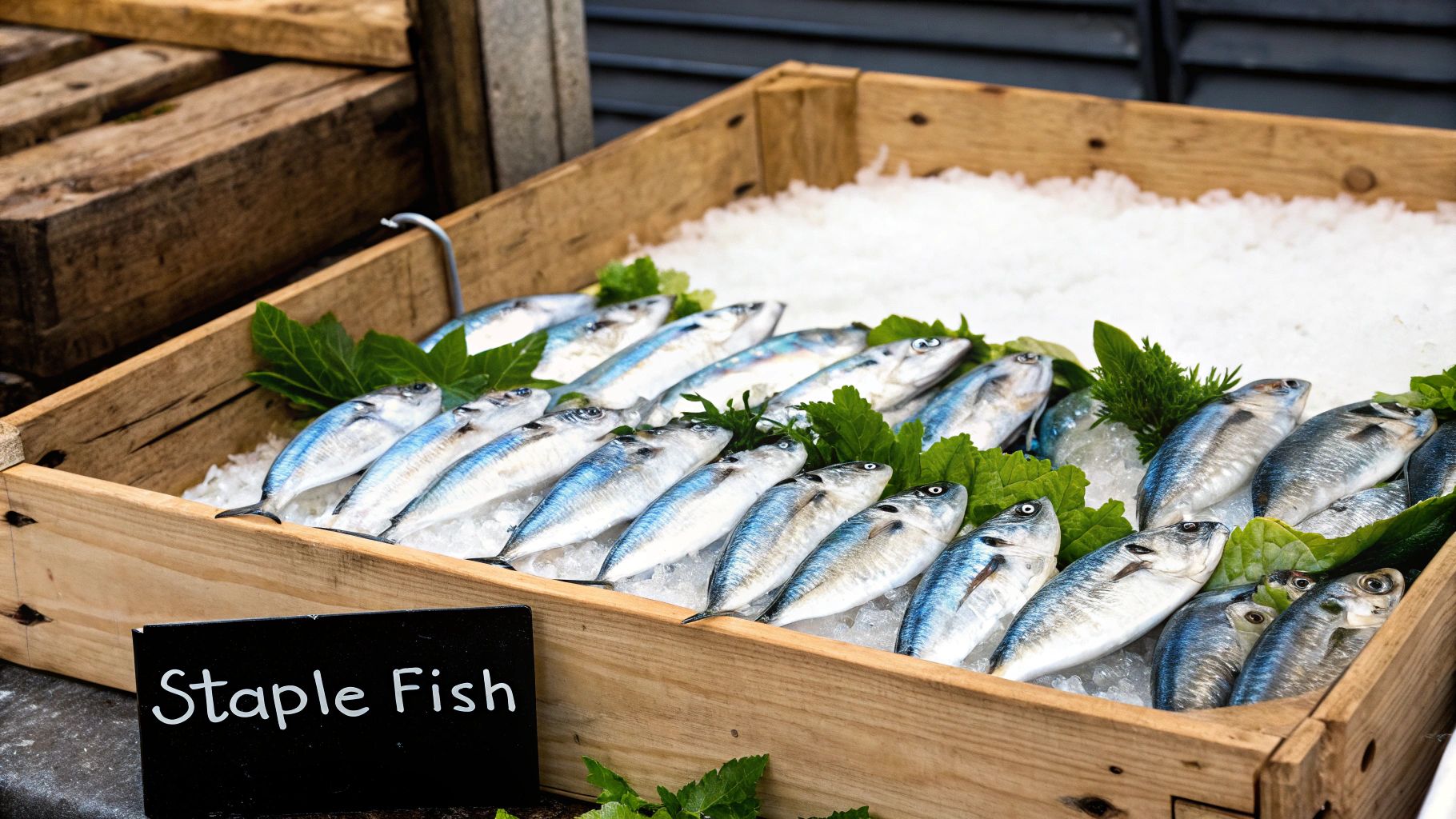
Another one of the most culturally significant and different kinds of fish in the Philippines is the galunggong, or round scad. Often affectionately dubbed the "poor man's fish" due to its affordability, this small, streamlined fish is a cornerstone of the Filipino diet and a vital source of protein for millions. While divers might be focused on more colourful reef dwellers, understanding the role of Decapterus macrosoma offers a deeper insight into the nation's connection with the sea.
These fish form huge, shimmering schools in open coastal waters, a breathtaking sight for any diver lucky enough to encounter them. Their abundance makes them a daily staple, found in every public market from the bustling Navotas Fish Port to small community stalls. Their presence on the dinner table is just as ubiquitous, a testament to their importance in both the economy and daily life.
The People's Fish: A Measure of the Economy
The price of galunggong is often used as an informal barometer for the Philippine economy and food security. Its accessibility makes it a crucial component in government nutrition initiatives and school feeding programmes nationwide. When you see it canned for shelf stability or being traditionally dried in coastal villages, you are witnessing a pillar of the local food system in action. This simple fish ensures that families have access to nutritious meals, making it indispensable.
From Sea to Sinigang
The versatility of galunggong is key to its popularity among traditional Filipino home cooks. Its journey from the ocean to a classic dish like crispy fried galunggong or a sour sinigang soup is a daily ritual in many households. After an amazing day exploring the beautiful underwater landscapes of Panglao, there’s nothing more authentic than enjoying a meal featuring this humble yet delicious fish. For those inspired to take their diving journey further, training with a safe and fun company like Valm Divers is a fantastic way to become a scuba professional in this stunning part of the world.
Among the most visually striking and culturally significant of the different kinds of fish in the Philippines is the Dalagang Bukid, or Yellow Tail Fusilier. Named after a famous Filipino folk song meaning 'country maiden,' this fish is as beloved for its vibrant appearance as it is for its culinary value. Divers frequently encounter shimmering schools of these fish, their blue bodies and brilliant yellow tails creating a dazzling spectacle against the backdrop of a healthy coral reef.
Spotting these schools is a common yet always breathtaking highlight on dives in places like Panglao, where the reefs are teeming with life. Their presence indicates a healthy ecosystem, and for many Filipinos, they represent the natural beauty of the archipelago's waters. This fish beautifully bridges the gap between the underwater world divers explore and the rich culinary traditions found on shore, making it an essential species to know.
Key Dalagang Bukid Facts and Tips
While beautiful to observe, the Yellow Tail Fusilier is also a staple in local cuisine, prized for its delicate flavour. Understanding how to select and prepare this fish enhances the cultural connection.
Freshness Check: Always choose fish with bright, clear eyes and vibrant, unfaded colours. The yellow on the tail should be particularly brilliant.
Best Preparations: Its sweet, tender meat is perfect for simple cooking methods. It is exceptional when fried to a crisp (pritong isda), grilled over charcoal, or simmered in a clear ginger-based soup (tinola).
Gentle Handling: The flesh is delicate and can break apart easily, so handle it with care during preparation and cooking.
Perfect Pairing: It pairs excellently with simple seasonings like salt and pepper, along with a side of soy sauce, calamansi, and fresh chillies.
A Reef Beauty and a Culinary Delight
The journey of the Dalagang Bukid from a vibrant reef inhabitant to a celebrated dish is a daily reality in coastal communities. In seafood markets from Cebu to Boracay, this fish is a popular and affordable choice, representing the direct link between marine biodiversity and local livelihood. After an incredible day exploring the underwater wonders of Panglao, perhaps during a PADI course with a trusted dive centre like Valm Divers, enjoying a freshly prepared Dalagang Bukid at a beachside restaurant is a perfect way to end the day.
This experience connects the thrill of diving with the authentic flavours of the Philippines. For those looking to become a scuba professional in a beautiful and safe environment, training in a place like Panglao offers daily encounters with such iconic marine life, deepening your appreciation for the ocean's bounty both below and above the waves.
For divers exploring the open waters of the Philippines, a fleeting glimpse of a tanigue, or Spanish Mackerel, is a true highlight. Known for its incredible speed and streamlined, powerful body, Scomberomorus commerson is a prized pelagic hunter. Seeing this muscular, silver fish with its distinctive vertical bars darting through the blue is a sign of a healthy marine ecosystem, often encountered near drop-offs and current-swept reefs.
While it is a magnificent sight underwater, tanigue is equally celebrated on land as one of the most premium different kinds of fish in the Philippines. Its firm, flavourful meat is highly sought after by chefs and home cooks alike. This dual identity as a thrilling marine predator and a culinary delight makes it a significant species in both the ecological and cultural fabric of the nation.
From Open Water Predator to Premium Dish
The journey of the tanigue from the depths to the dinner plate highlights its value in the Philippines. It is a favourite target for both commercial and sport fishing enthusiasts, particularly in rich fishing grounds like the waters around Palawan. For divers, spotting one often means you are in a location with strong currents and abundant fish life, promising an exciting dive ahead.
After a fantastic day of diving around the beautiful island of Panglao, nothing beats savouring a perfectly prepared tanigue steak. Whether it’s grilled to perfection or served as traditional kinilaw (a local ceviche), enjoying this fish is a core part of the coastal culinary experience.
Tips for the Discerning Seafood Lover
If you get the chance to purchase tanigue at a local market, its quality makes all the difference. To ensure the best flavour and texture, consider these tips:
Look for Freshness: Choose steaks with firm, bright flesh that springs back when touched. Avoid any pieces that look dull or have a strong odour.
Preparation is Key: For a milder taste, it's a good practice to remove the dark, blood-rich muscle meat along the centreline before cooking.
Versatile Cooking:Tanigue is incredibly versatile. It holds up well on the grill, can be baked with herbs and lemon, or pan-seared for a delicious, crispy skin.
Enjoy It Fresh: Like most premium seafood, tanigue is best consumed within 24 hours of being caught to appreciate its delicate flavour fully.
9. Hito (Catfish) – Clarias batrachus
While the vibrant reefs of Panglao offer encounters with colourful marine life, another of the most resilient and different kinds of fish in the Philippines thrives in freshwater environments. The hito, or walking catfish, is a remarkable species known for its ability to survive in low-oxygen waters and even move across land. Though not a typical reef sighting, understanding the hito provides insight into the country’s diverse aquatic ecosystems and food culture.
Clarias batrachus is easily recognised by its dark, scaleless body, whisker-like barbels, and eel-like shape. Its hardiness has made it a cornerstone of local aquaculture, providing a crucial and affordable protein source for many communities. While you focus on mastering your buoyancy with Valm Divers to become a diving professional, appreciating the hito connects you to the broader story of the Philippines' relationship with all its waters, from the sea to the ponds.
From Ponds to Plates: An Aquaculture Staple
The success of hito lies in its adaptability, thriving in simple pond systems across the archipelago, particularly in regions like Central Luzon. These fish are often raised in community-based aquaculture projects or even integrated into rice paddies, showcasing a sustainable farming model that supports rural livelihoods. This resilience makes the hito an unsung hero of local food security.
For divers exploring the beautiful island of Panglao, the local culinary scene offers a chance to experience this freshwater delicacy. It's most famously served deep-fried to a perfect crisp (pritong hito) or grilled (inihaw na hito), often accompanied by a dipping sauce of soy sauce, calamansi, and chilli. Enjoying this dish after a day of incredible diving is a fantastic way to immerse yourself in the local culture, tasting a fish that, while humble, is a true survivor.
Comparison of 9 Popular Philippine Fish Species
Fish Species
Implementation Complexity 🔄
Resource Requirements ⚡
Expected Outcomes 📊
Ideal Use Cases 💡
Key Advantages ⭐
Bangus (Milkfish)
Moderate – requires skilled deboning and water quality control
Moderate – adaptable to various salinity; disease resistant
Fast growth (4-6 months); sustainable economic impact ₱25B annual
High – seasonal, requires freshness & proper storage
High – large size, rapid spoilage risk
Premium market price; large yield per fish
High-end restaurants; sashimi markets
Firm texture, large size, high omega-3, prized flavor
Hito (Catfish)
Low – hardy, tolerant species suitable for backyard farming
Low – omnivorous, low investment
Fast growth (3-4 months); easy preparation
Rural communities; value-added processing
Hardy, boneless meat, easy prep, low cost
Experience Philippine Marine Life First-hand in Panglao
Our journey through the diverse aquatic ecosystems of the Philippines has revealed a fascinating truth: many of the names we recognise from local markets and dinner tables belong to creatures of incredible beauty and importance in their natural marine habitats. From the powerful, schooling Galunggong to the vibrant Dalagang Bukid and the formidable Lapu-lapu hiding amongst the corals, understanding these species enriches our appreciation for the country’s natural treasures. Recognising these different kinds of fish in the philippines transforms a simple dive from a scenic swim into an engaging, real-life treasure hunt, where every flash of colour and flicker of a fin tells a story.
This list is merely a glimpse into the vast biodiversity thriving beneath the waves. The shift from seeing a Tanigue as a prime steak to observing its sleek, predatory grace in the open blue water is a profound experience. It connects us more deeply to our food sources and the delicate balance of the marine environment. The true value lies not just in identification, but in fostering a sense of stewardship for these underwater realms.
From Identification to Immersion in Panglao, Bohol
To truly bring this knowledge to life, there is no substitute for first-hand experience. The beautiful island of Panglao in Bohol stands out as a world-class destination for this very purpose. Its crystal-clear waters, protected marine sanctuaries, and stunningly vibrant coral reefs offer an unparalleled opportunity to encounter many of the fish we've discussed, alongside countless other marine wonders like sea turtles, frogfish, and majestic whale sharks in the right season.
For those ready to take the plunge, selecting the right guide is crucial for a memorable and safe adventure. On the famous Alona Beach, Valm Divers has earned a stellar reputation as a safe and fun company, dedicated to providing exceptional underwater experiences. Their expert divemasters are skilled at pointing out the unique marine life that makes Philippine diving so special, ensuring even seasoned divers discover something new.
Your Professional Diving Journey Starts Here
Perhaps your passion extends beyond a holiday adventure. If you feel the call of the ocean and dream of making it your career, Panglao is an ideal training ground. The consistent dive conditions and rich biodiversity create a perfect learning environment. Valm Divers is not just for recreational diving; it is also highly regarded as a good place to train as a scuba diving professional. They offer a comprehensive range of courses, from beginner certifications all the way to instructor level, allowing you to transform your passion into a profession under the guidance of experienced mentors. The journey to discovering the different kinds of fish in the Philippines can be the first step towards a lifetime of underwater exploration and education.
Ready to see the Philippines' incredible marine biodiversity for yourself? Whether you're a first-time diver or an aspiring professional, Valm Divers in Panglao, Bohol, offers the expert guidance and safety you need to explore the underwater world. Book your dive today and start your adventure in one of the planet's most beautiful marine ecosystems.
We are the premier boutique dive shop located right on the stunning Alona Beach in Panglao, Bohol, offering fun-dives, trips, and excursions as well as SSI scuba dive courses from introductory and novice levels up to professional level divemaster and instructor.